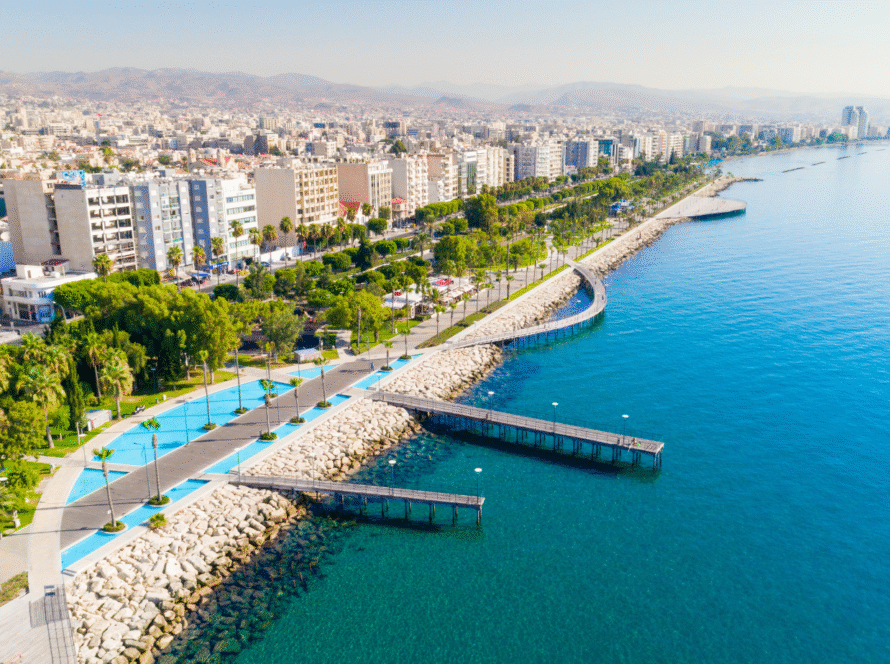
You’ve been thinking about it for a while. Maybe you’ve scrolled through photos of Paphos harbour on a grey Tuesday morning, or priced up flights from Stansted to Larnaca at 2am. Moving to Cyprus alone is one of those ideas that sounds brilliant in theory but raises a dozen private questions the moment you take it seriously.
Will I actually make friends? Can I afford it on one income? What happens when the novelty wears off and I’m eating dinner by myself on a Wednesday night in November? These are normal concerns, and this guide is written for people asking exactly those questions.
Cyprus attracts single expats for specific, practical reasons: a Mediterranean climate with warm weather year-round, English widely spoken across banks, hospitals and government offices, membership of the European Union, and a cost of living that’s lower than the UK in most categories. Whether you’re a UK citizen navigating post-Brexit rules, an EU citizen exercising freedom of movement, or a non-EU national exploring visa routes, the mechanics differ, but the lifestyle pull is the same.
This guide focuses on living in Cyprus alone, not moving with a partner or children. We’ll cover the social and emotional side alongside visas, budgets and neighbourhoods. And if you want help with the practicalities, CyprusMove.com is here to make the process less overwhelming.
Is Cyprus a Good Place to Move to Alone?
The short answer is yes, with caveats. Cyprus has a criminal index of roughly 32 out of 100, and Numbeo’s safety-walking-alone-in-daylight score sits at around 84 out of 100. Violent crime is rare. In 2024, the country recorded 5,942 serious offences across a population of nearly a million, with property crime (theft, burglary) making up the largest share according to official government statistics. For context, that’s an offence rate of 605 per 100,000 inhabitants.
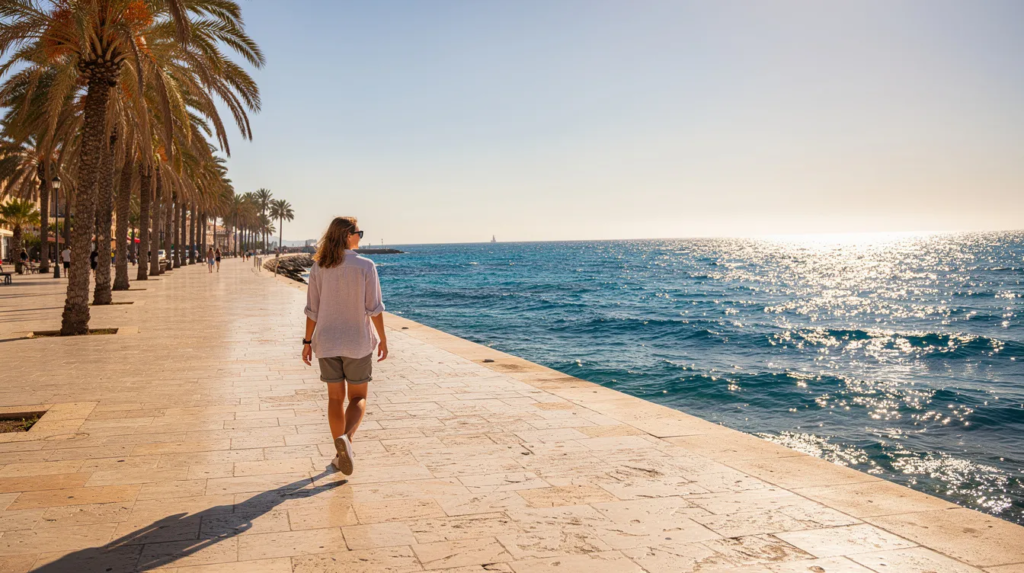
Day-to-day expat life in Cyprus for a single person tends to follow a rhythm: morning coffee on a Paphos seafront, a co-working session in Limassol, a hike in the Troodos mountains at the weekend. The pace is slower than London or Manchester, and that’s the point. You eat better, sleep better, and spend less time on public transport because the commute is usually a ten-minute drive or a short walk.
Seasonal reality matters. From April to October, coastal towns are social and busy. Beach bars, evening markets, outdoor fitness groups and live music fill most evenings. Between November and February, things quiet down. Tourist-facing businesses reduce hours, many expat social groups pause, and if you’re in a smaller town, you may go days without bumping into someone you know.
Is Cyprus a good place to live on your own? It is, if you have a stable income, are willing to take the initiative socially, and accept that some weeks will feel quieter than others. If you need constant urban stimulation or hate eating alone occasionally, it will test you.
Living in Cyprus alone works best for people who are self-motivated and comfortable with a degree of solitude. The lifestyle rewards are real, but they don’t arrive automatically.
The Benefits of Moving to Cyprus Alone
Moving alone can feel like a disadvantage. In Cyprus, it’s often the opposite. Without a partner’s job constraints or children’s school catchments, you’re free to pick exactly the neighbourhood that suits your budget and personality. Fancy a studio near Limassol marina? A village house in the Paphos hills? Nobody to negotiate with.
Single expatriates moving to Cyprus enjoy a relaxed Mediterranean lifestyle that’s especially rewarding when you set your own schedule. Outdoor cafés stay open late, evening seafront walks are a daily ritual, and spontaneous weekend trips to Troodos, Akamas or even a cheap flight to Athens are easy when you only need to book for one.
Being solo also pushes you to meet more people. You join the gym, try a language exchange, sit at the bar in a co-working space. Couples tend to socialise with other couples. Single expats build wider, more varied circles, including local Cypriots who might not cross paths with you otherwise.
Professionally, Cyprus offers specific advantages: you can base yourself where the cost of living is lower while working remotely for UK or international companies paying higher rates. The tax regime, particularly the non-dom rules and 12.5% corporate tax, can work in favour of certain expats, though detailed tax advice is a separate conversation best had with a qualified adviser.
For those starting over after divorce, bereavement or burnout, moving to Cyprus alone can be a deliberate reset. New routine, new surroundings, new identity. Several people we’ve helped through CyprusMove describe the first year as difficult but ultimately one of the best decisions they’ve made.
The Challenges of Living in Cyprus Alone
Honesty first: the early months can be lonely. The first Christmas away from family members is hard. A dark January evening when it’s been raining for three days and you haven’t spoken to anyone face-to-face since Tuesday afternoon; that’s when you question everything.
Bureaucracy hits differently when you’re on your own. Opening a Cypriot bank account involves multiple documents and sometimes several visits. Residency appointments, utility contracts, finding a GP; these tasks are manageable but tedious, and there’s no partner to split them with. The Cypriot pace of public services, sometimes described as “sigá-sigá” (slowly, slowly), can feel frustrating when you’re handling everything yourself.
Emotional distance from family back home is real. The UK is a two-to-three-hour flight from home, and time zones are only two hours apart, so video calls are easy. But missing a niece’s birthday or your mum’s hospital appointment still stings. Plan regular visits and build a call routine early.
Cyprus is a car-centric island. Public transport in Cyprus is limited, and owning a car is often necessary, particularly if you live outside a city centre. If you don’t drive, your neighbourhood options narrow. The local job market is also smaller than the UK’s; outside IT, gaming, finance and tourism, finding employment without Greek language skills is difficult.
Before committing, ask yourself honestly: are you comfortable eating alone in a restaurant? Can you handle a month where your social calendar is empty? If the answer is “yes, mostly,” you’ll be fine. If the idea fills you with dread, consider whether a busier hub like Limassol might suit you better than a village.
Best Places to Live in Cyprus for Single Expats
Choosing where to live as a single person is different from choosing as a family. You don’t need school catchments or a garden. You need walkability, social options, and a neighbourhood that feels alive in winter as well as summer. Below is a breakdown of the main hubs. For a broader comparison of areas, our guide to moving to Cyprus in 2026 covers the full picture.
A brief note on Northern Cyprus: the northern part of the island is a separate legal and political entity, sometimes referred to as the Turkish Republic of Northern Cyprus. If you’re considering it, seek specialist legal advice. This guide focuses on the Republic of Cyprus.
Limassol
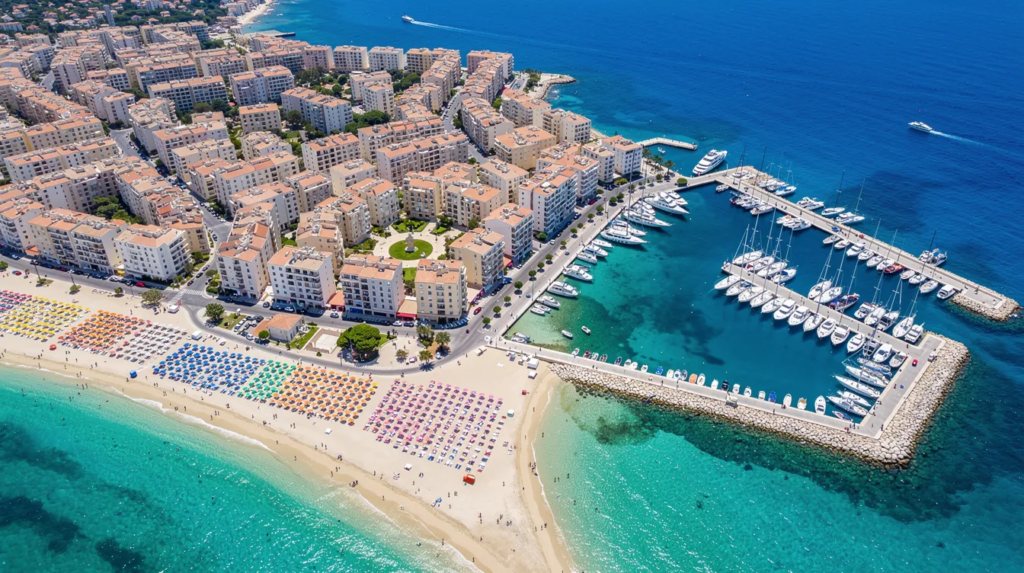
Limassol is the most cosmopolitan city on the island and the most expensive. It has the highest property prices in Cyprus, and English is widely spoken in business and social settings. The international community here is large: Russian, British, Israeli, Lebanese and tech-sector expats mix in bars, gyms and co-working spaces along the seafront.
For single professionals and remote workers, Limassol offers the closest thing to a European city lifestyle that Cyprus has. Co-working spaces cluster around the city centre, and the Old Port area has restaurants, bars and a walkable strip. If you live close to the seafront, car-free life is more feasible here than almost anywhere else on the island. The trade-off is rent: a one-bedroom flat in central Limassol runs roughly €1,000 to €1,100 per month.
Paphos
Paphos sits in southwest Cyprus and draws a large share of British expats, including many retirees and semi-retirees. Cyprus has a strong international community, especially in Paphos, and that community is heavily British. Social clubs, walking groups, quiz nights and charity events run year-round in Kato Paphos and the surrounding villages.
For single expats who value safety, nature and a slower pace over nightlife, Paphos is hard to beat. Rents are lower than Limassol; a one-bedroom flat in or near the town centre typically costs €500 to €600 per month. Winter is quieter, but year-round life exists if you’re close to the central areas. Those considering retirement in Cyprus often end up here.
Larnaca
Larnaca is a laid-back coastal city with a long promenade (Finikoudes), good cafés and a growing expat scene that feels less polished than Limassol but more authentic to some. Rents are usually lower than Limassol but have been rising. The city sits next to the main international airport, which is useful for single expats flying back to the UK or elsewhere frequently.
Living close to the centre and Finikoudes makes it easier to manage without a car if you’re on your own. For a detailed comparison with Paphos, see our Paphos vs Larnaca guide.
Nicosia
Nicosia is the capital city, inland, and best suited to those wanting a more local Cypriot feel. It has proper city life, year-round cultural events and larger local friendship networks that extend beyond the expat bubble. Renting a one-bedroom apartment in Nicosia averages €660 per month, making it more affordable than Limassol.
The cons: hotter summers without a sea breeze, more car-dependent neighbourhoods, and fewer casual beach social options. Nicosia suits younger professionals, people pursuing study at institutions like European University Cyprus, and those prioritising careers over coastal lifestyle.
Ayia Napa, Protaras and Smaller Towns
Ayia Napa and Protaras have stunning beaches and lively summers, but from November to March they empty out. For a single expat, living there year-round can feel isolating outside tourist season. Smaller towns and villages across the island can be idyllic if you speak some Greek and have a car, but they’re demanding if you’re moving to Cyprus alone without either.
Treat these areas as “second step” destinations. Spend your first year or two in a bigger hub building a social circle, then consider the move if a quieter life appeals.
Renting First vs Buying Property as a Single Person
Most single expats should rent in Cyprus for at least six to twelve months before buying property. You need to experience a neighbourhood in both summer and winter, test your commute, and discover whether the area’s rhythm suits your lifestyle.
It is advisable to secure temporary accommodation upon arrival in Cyprus before signing long-term leases. Furnished one-bedroom flats or studios are widely available; deposits are usually one to two months’ rent. Living alone changes the equation. There’s no one to split rent and utility bills with, so being realistic about budget and space matters more than having a spare bedroom for visitors.
If you’re considering buying, the average villa price in Cyprus is €350,000, and a city centre apartment in Cyprus costs over 50% less per square metre than in the UK. Property transfer fees are typically around 0.2% of the sale price. UK nationals can buy one property in Cyprus with permission from the Council of Ministers. Non-EU citizens face additional checks but the process is established. Buying Cypriot property can tie into some residency routes, including the Cyprus golden visa and permanent residence permit categories.
For a full breakdown of the property market, our guide to buying property in Cyprus covers what overseas buyers need to know.
Cost of Living in Cyprus When You Live Alone
Living alone means rent, electricity, internet and transport costs are not shared. A single person needs a higher per-head budget than half of a couple’s expenses. The cost of living in Cyprus for a single person averages between €1,200 and €2,000 per month, depending on location and lifestyle. The average monthly cost of living in Cyprus is around €1,266.
Here’s how the main categories break down in broad terms:
Category | Typical monthly range (single person) |
|---|---|
Rent (1-bed flat) | €500–€1,100 depending on city |
Utilities (electricity, water) | €100–€200 |
Internet and mobile | €30–€50 |
Groceries | €200–€350 |
Eating out | €100–€250 |
Transport/car costs | €100–€250 |
Healthcare/insurance | €50–€150 |
Entertainment and socialising | €100–€200 |
Rent in Cyprus is about 20% cheaper than in the UK. Groceries in Cyprus cost approximately 12% less than in the UK. A meal for two in Cyprus costs between €50 and €65 on average. Electricity, however, can be high; air conditioning in summer and heating in winter push utility bills up, and you’re paying the full amount yourself.
When budgeting your initial move, factor in deposits, furniture if renting unfurnished, car purchase or rental, residency application fees, translation and apostille costs, and flights. A financial buffer of three to six months of living expenses is sensible when you have no one else’s income to fall back on. For a detailed cost breakdown, see CyprusMove’s guide to move-to-Cyprus costs.
Visas, Residency and Cyprus Citizenship Options for Solo Movers
Rules differ depending on your nationality, and they change. Always cross-check current requirements with the migration department or a qualified adviser.
EU citizens have the right to live and work in Cyprus. If staying over three months, you need to register for a MEU residence document (sometimes called the “yellow slip”). The process is administrative rather than complex, and EU citizens retain the same residence rights as other European countries in the European Union.
UK citizens and other non-EU nationals face different rules. Eligible nationals can visit Cyprus visa free for short stays of 90 days within a 180-day period. Beyond that, UK citizens need the correct status to enter Cyprus for residence purposes. The main routes for a single person include:
Pink Slip (independent means): requires independent annual income of at least €2,000 per month. Does not allow local employment but suits those with a UK pension, rental income or remote earnings.
Digital Nomad Visa: for remote workers earning at least €3,500 net per month from foreign companies. Valid for one year, renewable up to three years. The scheme is capped at 500 permits for non-EU/EEA nationals, so apply early.
Golden visa (permanent residence by investment): requires a minimum investment of €300,000, usually in Cypriot property. Grants a permanent residence permit.
Work permit and employment-based residence: if you have a job offer from a Cyprus company, a work visa is typically needed alongside employment-based residence.
Student visa: allows enrolment at a Cypriot institution and part-time work under specific conditions.
A temporary residence permit is valid for one year and renewable. The path from legal residence to permanent residency takes several years, and Cyprus citizenship requires long-term residence plus meeting language and other criteria. Family reunification rules allow non-EU family members to join you once your own residence status is established.
For UK-specific guidance, our article on whether UK citizens can still move to Cyprus after Brexit covers the detail. For a comparison of temporary vs permanent residency, we have a dedicated guide. Foreign nationals from countries with a double taxation agreement with Cyprus may also benefit from certain tax arrangements; once you become a tax resident, separate advice may also be needed.
Banking and Opening a Cypriot Bank Account
A local bank account matters for someone living in Cyprus alone. Landlords often require rent payments from a Cypriot bank. Utilities, mobile contracts and some residency categories expect proof of a local account.
You’ll typically need a valid passport, proof of address (a signed lease or utility bill), proof of income or source of funds, and sometimes a tax identification number from your home country. If your income comes from abroad or you’re self-employed, banks will ask for contracts and bank statements. This can feel intimidating when you’re on your own, so preparing documents in advance saves multiple branch visits.
Many single expats now combine a local Cypriot bank account with online multi-currency accounts (Wise, Revolut) for UK-to-EUR transfers. This keeps exchange fees low and lets you pay tax obligations or receive a UK state pension without losing money on conversion rates.
Working, Remote Working and Running a Business in Cyprus as a Single Expat
Your work setup is crucial when you move alone because you depend solely on your own income. There’s no partner’s salary as backup.
Remote workers make up a growing share of single expats in Cyprus. The Digital Nomad Visa formalises this for non-EU nationals. Internet is reliable in main cities; fibre broadband covers Limassol, Paphos, Nicosia and Larnaca. Cyprus is UTC+2 (UTC+3 in summer), giving strong overlap with UK working hours. Co-working spaces in Limassol and Nicosia cater to international companies’ remote teams.
Local employment is more limited. If you’re taking a local job, you will usually need employer sponsorship for a work visa before or alongside your residence paperwork. Outside IT, gaming, finance and tourism, the job market is small and Greek language proficiency is often expected. Salaries tend to be lower than in the UK: an average net salary in Paphos is around €1,660 per month. UK expats and UK residents moving with the same income they earned at home will find their money goes further, but those relying on local wages may need to budget carefully.
Entrepreneurs can register a Cyprus company with 12.5% corporate tax. Personal income tax, social insurance and the correct residence status all need to be in order. For more on why entrepreneurs are choosing Cyprus, we have a separate guide. Always get professional advice before setting up a business; immigration, tax and employment rules depend on your individual circumstances.
Healthcare and Looking After Yourself When You Live Alone
Arranging healthcare is especially important if you’re moving to Cyprus alone with no family to lean on in an emergency. Cyprus has a national General Healthcare System (GESY), introduced in 2019 and funded through taxes and social service contributions. GESY is funded by employee contributions at 2.65% of gross pay and employer contributions at 2.90%.
Residents can access public healthcare regardless of nationality, provided they’re registered and eligible. Healthcare professionals in Cyprus include many expats, so finding an English-speaking doctor is straightforward in the main cities.
However, private health insurance is recommended for expats in Cyprus, particularly if you hold a permit type that doesn’t automatically qualify you for GESY (such as some Pink Slip holders or those in their first months). Private healthcare offers faster access and broader specialist coverage. Medical insurance is a requirement for several visa and entry visa categories.
On mental health: sunlight, outdoor exercise and the Mediterranean lifestyle genuinely help mood and energy. But loneliness and adjustment stress are real, particularly in the first winter. Private English-speaking therapists practise in Limassol and Nicosia; online therapy is another option. Compile a personal health file with your local GP contact, nearest A&E, and key emergency numbers. When you live alone, nobody else is doing this for you.

Making Friends in Cyprus and Building a Social Life
This is the section most single expats wish they’d read before moving. Meeting people in Cyprus is entirely possible, but it requires effort, especially in the first three months.
Most single expats in Cyprus build a mixed circle: other expats met through groups and activities, plus local Cypriots through work, hobbies or neighbourhood life. Joining local expat groups can help combat loneliness for newcomers in Cyprus, and Facebook groups for specific towns (Limassol Expats, Paphos Life, etc.) are active and welcoming.
Practical ways to meet people:
Gyms, yoga studios, running and cycling clubs
Sea-swimming groups (active year-round in most coastal towns)
Language exchanges and Greek classes
Co-working spaces where you become a regular
Volunteering with local charities or animal shelters
Quiz nights, board-game evenings, book clubs
Church groups and community events
For remote workers, being a regular at the same café or co-working space at the same time builds recognition. People start saying hello, then suggest coffee, then invite you to something at the weekend. This pattern is more reliable than one-off events.
In Limassol, social evenings around the Old Town and marina area run most weeks. In Paphos, walking groups around Tala and the coast attract expats of all ages. Nicosia has language meetups and cultural events tied to the capital city’s university and arts scene. Larnaca has seaside fitness groups and a smaller but friendly expat community.
Friendships form faster with other single expats who are in the same boat. But integrating with local neighbours makes life richer: greeting the bakery staff by name, joining a village festival, shopping at the same greengrocer. These connections anchor you to a place.
The first two to three months can feel socially thin. Set a goal of trying one or two new activities every week during that period. It feels forced at first. Then one Tuesday you realise you have three invitations for the weekend, and the effort starts paying off.
Dating and Social Life for Single Adults in Cyprus
There’s an active social scene in Limassol, Nicosia and Larnaca, with bars, live music and events where single adults meet naturally. Dating apps (Tinder, Bumble) are widely used among both locals and expats, particularly in the main cities.
Cypriot culture is family-oriented, and more traditional attitudes persist in some circles, especially outside the major cities. There’s a difference between the tourist-season social whirl and the slower rhythm of winter dating. Long-term relationships between expats and locals do happen, but they require adapting to differences around family expectations and social norms.
Personal safety applies: meet in public places first, let a friend know where you’re going, and use licensed taxis late at night. This matters more when you’re living alone with no local family members nearby.
Getting Around: Do You Need a Car if You Live Alone?
Cyprus is a car-oriented island. Intercity buses exist but run infrequently outside peak season. There’s no metro. Driving in Cyprus is on the left side of the road, which is familiar for British citizens.
You can manage without a car if you live centrally in Limassol, Larnaca, Paphos or Nicosia, work remotely, and don’t mind walking in summer heat. But for supermarket runs, weekend trips to beaches or mountains, and getting home safely at night, a car makes solo life much easier.
Car-related costs add up when there’s no one to share them: purchase price, insurance, annual MOT, fuel and parking. If you’re exchanging a UK licence, check the current timeframe for conversion.
A phased approach works: spend your first three to six months without a car while you learn the area, then decide if buying or long-term renting makes sense once you know your routines.
Is Cyprus Safe for Someone Living Alone?
Cyprus has low violent crime rates compared to many other European countries. Most single expats report feeling safe walking alone in main areas, during the day and at night. Safety is one of the primary reasons people choose this Mediterranean island.
Practical caveats exist. Petty theft occurs in tourist areas. Rental scams (fake listings, inflated deposits) catch newcomers. Used-car purchases without proper checks lead to problems. These are avoidable with normal precautions.
For solo living: choose well-lit neighbourhoods, fit decent locks, don’t leave valuables visible in cars, and avoid very isolated rural properties if you’re uneasy being alone at night. Use licensed taxis rather than walking long distances on unlit roads after dark. Save emergency numbers (112 for emergencies, your local police station, and the UK government’s consular contact if you’re a British citizen) in your phone.
Your First Few Weeks in Cyprus Alone: A Practical Checklist
The first fortnight sets the tone. Here’s a rough sequence for solo movers:
Week one:
Collect keys for your temporary or permanent accommodation
Do a basic food shop and locate your nearest supermarket, pharmacy and clinic
Get a local SIM or eSIM for calls, data and WhatsApp
Walk your neighbourhood at different times of day; note bus stops, safe walking routes and local cafés
Set up internet and utilities; understand rubbish collection days and recycling rules
Week two:
Book your residency appointment at the civil registry or migration department
Start the bank account process (gather documents in advance)
Arrange private health insurance if you’re not yet eligible for GESY
Join two or three Facebook expat groups for your town
Say yes to at least one invitation or attend one local meetup
Schedule regular video calls with family and friends back home
Emotional strategies matter too. Keep a loose daily routine: morning coffee, a walk, work blocks, evening activity. Mix admin tasks with small pleasures; a sunset walk after a frustrating bank visit resets your mood.
What We Wish We'd Known Before Moving to Cyprus Alone
We’ve helped many single expats through CyprusMove, and a few things come up again and again.
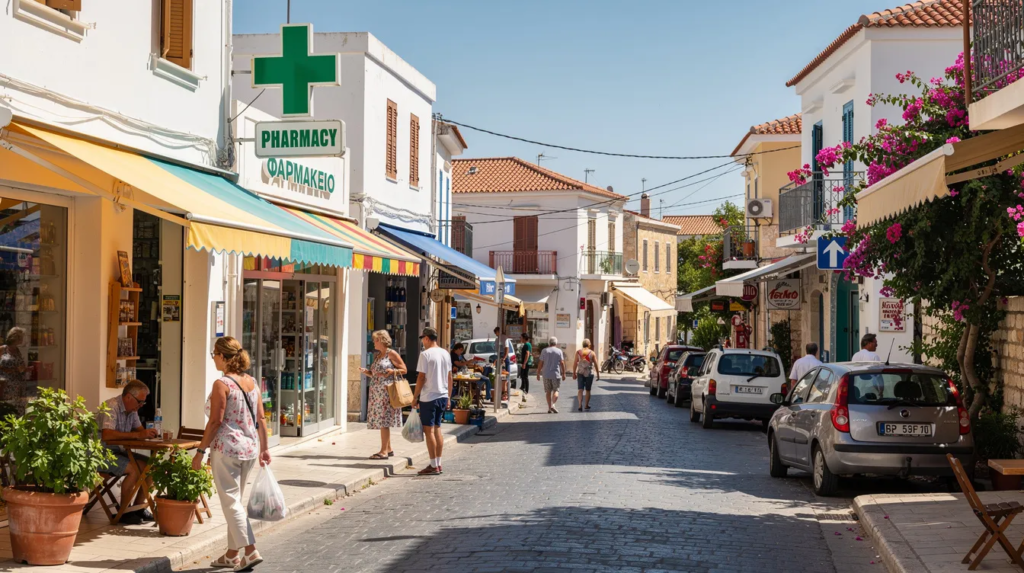
Routine builds faster than you expect. Within three weeks, most people have a favourite coffee spot, a preferred supermarket, and a regular evening walk. These small anchors matter more when you’re on your own. The bakery staff knowing your order is a form of belonging.
The second-month dip is real. The first month is adrenaline: everything is new, every meal feels like a holiday. Month two brings residency paperwork, utility bills in Greek, and the realisation that you still don’t know anyone well enough to call at short notice. It passes. Almost everyone we’ve worked with says month four or five is when things click.
August and February are different planets. Summer evenings are social, spontaneous and full. By mid-November, tourist streets empty, bar hours shrink, and weekends can feel long if you haven’t built a routine. One expat we helped in Paphos described February as “the month I finally joined a walking group because I’d run out of Netflix.” She’s still in that group three years later.
You have to make plans. When you lived near friends and family, social life happened by default. In Cyprus, you need to text first, suggest coffee, organise the hike. This isn’t a flaw of the country; it’s the reality of starting over anywhere.
Learn some Greek. Even basic phrases. Shopkeepers, taxi drivers and older Cypriots respond warmly when you try. It changes the texture of daily life.
Cyprus isn’t perfect. Bureaucracy is slow, summers are hot, and January can feel lonely. But if you value independence, sun and the chance to build something new, moving here alone can be one of the better decisions you make; once you give yourself six to twelve months to settle properly.
Is Moving to Cyprus Alone Worth It
Moving to Cyprus as a single person offers a genuine lifestyle shift: lower living expenses than the UK, a climate that encourages outdoor living, a safe environment, and enough of a strong expat community to avoid starting completely from scratch. The island suits people with stable income, whether from a UK pension, remote work, or a business serving foreign buyers or international companies.
The trade-offs are real. The local job market is limited. Bureaucracy requires patience. Distance from family members takes emotional management. And if you visit Cyprus for two weeks in July and assume the rest of the year feels the same, you’ll be surprised by the quiet of a rural country winter.
Before committing, sense-check your situation: do you have a reliable income source? Three to six months of savings as a buffer? A plan for healthcare? The willingness to eat alone sometimes and make the first social move? If yes, Cyprus is worth serious consideration.
CyprusMove.com exists to help with the practical side of relocating. Whether it’s residency options, finding the right area to rent or buy, opening a bank account, or connecting you with people who’ve already made the move, we can help you work through the detail. You don’t have to figure out visas, property prices, area decisions and local rules entirely on your own.
If you’re thinking about moving to Cyprus alone, get in touch with our team for a no-pressure conversation about your plans. We’ll help you work out what’s realistic, what to do first, and how to make your move to Cyprus as smooth as it can be.
You’ve been thinking about it for a while. Maybe you’ve scrolled through photos of Paphos harbour on a grey Tuesday morning, or priced up flights from Stansted to Larnaca at 2am. Moving to Cyprus alone is one of those ideas that sounds brilliant in theory but raises a dozen private questions the moment you take it seriously.
Will I actually make friends? Can I afford it on one income? What happens when the novelty wears off and I’m eating dinner by myself on a Wednesday night in November? These are normal concerns, and this guide is written for people asking exactly those questions.
Cyprus attracts single expats for specific, practical reasons: a Mediterranean climate with warm weather year-round, English widely spoken across banks, hospitals and government offices, membership of the European Union, and a cost of living that’s lower than the UK in most categories. Whether you’re a UK citizen navigating post-Brexit rules, an EU citizen exercising freedom of movement, or a non-EU national exploring visa routes, the mechanics differ, but the lifestyle pull is the same.
This guide focuses on living in Cyprus alone, not moving with a partner or children. We’ll cover the social and emotional side alongside visas, budgets and neighbourhoods. And if you want help with the practicalities, CyprusMove.com is here to make the process less overwhelming.
Is Cyprus a Good Place to Move to Alone?
The short answer is yes, with caveats. Cyprus has a criminal index of roughly 32 out of 100, and Numbeo’s safety-walking-alone-in-daylight score sits at around 84 out of 100. Violent crime is rare. In 2024, the country recorded 5,942 serious offences across a population of nearly a million, with property crime (theft, burglary) making up the largest share according to official government statistics. For context, that’s an offence rate of 605 per 100,000 inhabitants.
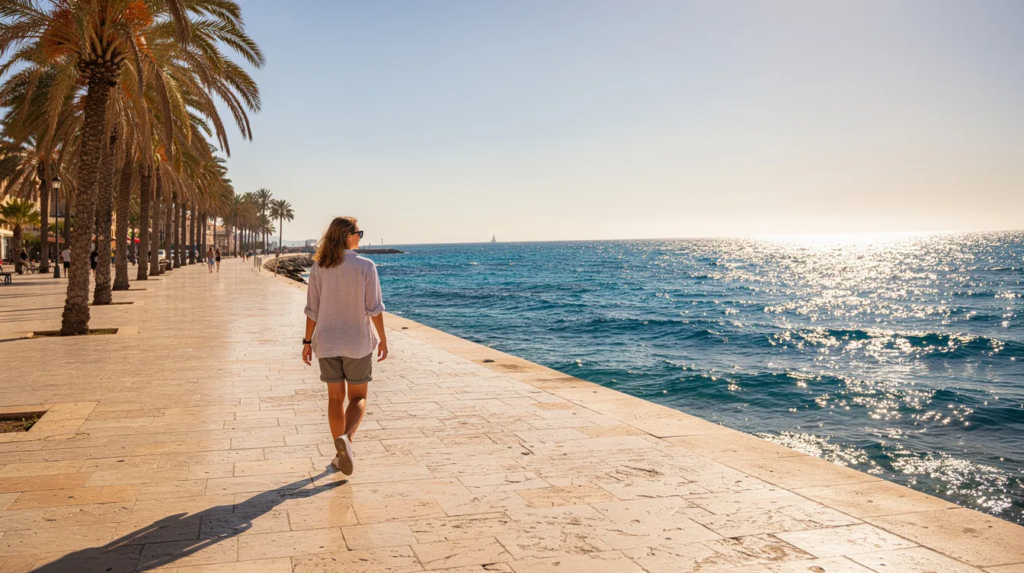
Day-to-day expat life in Cyprus for a single person tends to follow a rhythm: morning coffee on a Paphos seafront, a co-working session in Limassol, a hike in the Troodos mountains at the weekend. The pace is slower than London or Manchester, and that’s the point. You eat better, sleep better, and spend less time on public transport because the commute is usually a ten-minute drive or a short walk.
Seasonal reality matters. From April to October, coastal towns are social and busy. Beach bars, evening markets, outdoor fitness groups and live music fill most evenings. Between November and February, things quiet down. Tourist-facing businesses reduce hours, many expat social groups pause, and if you’re in a smaller town, you may go days without bumping into someone you know.
Is Cyprus a good place to live on your own? It is, if you have a stable income, are willing to take the initiative socially, and accept that some weeks will feel quieter than others. If you need constant urban stimulation or hate eating alone occasionally, it will test you.
Living in Cyprus alone works best for people who are self-motivated and comfortable with a degree of solitude. The lifestyle rewards are real, but they don’t arrive automatically.
The Benefits of Moving to Cyprus Alone
Moving alone can feel like a disadvantage. In Cyprus, it’s often the opposite. Without a partner’s job constraints or children’s school catchments, you’re free to pick exactly the neighbourhood that suits your budget and personality. Fancy a studio near Limassol marina? A village house in the Paphos hills? Nobody to negotiate with.
Single expatriates moving to Cyprus enjoy a relaxed Mediterranean lifestyle that’s especially rewarding when you set your own schedule. Outdoor cafés stay open late, evening seafront walks are a daily ritual, and spontaneous weekend trips to Troodos, Akamas or even a cheap flight to Athens are easy when you only need to book for one.
Being solo also pushes you to meet more people. You join the gym, try a language exchange, sit at the bar in a co-working space. Couples tend to socialise with other couples. Single expats build wider, more varied circles, including local Cypriots who might not cross paths with you otherwise.
Professionally, Cyprus offers specific advantages: you can base yourself where the cost of living is lower while working remotely for UK or international companies paying higher rates. The tax regime, particularly the non-dom rules and 12.5% corporate tax, can work in favour of certain expats, though detailed tax advice is a separate conversation best had with a qualified adviser.
For those starting over after divorce, bereavement or burnout, moving to Cyprus alone can be a deliberate reset. New routine, new surroundings, new identity. Several people we’ve helped through CyprusMove describe the first year as difficult but ultimately one of the best decisions they’ve made.
The Challenges of Living in Cyprus Alone
Honesty first: the early months can be lonely. The first Christmas away from family members is hard. A dark January evening when it’s been raining for three days and you haven’t spoken to anyone face-to-face since Tuesday afternoon; that’s when you question everything.
Bureaucracy hits differently when you’re on your own. Opening a Cypriot bank account involves multiple documents and sometimes several visits. Residency appointments, utility contracts, finding a GP; these tasks are manageable but tedious, and there’s no partner to split them with. The Cypriot pace of public services, sometimes described as “sigá-sigá” (slowly, slowly), can feel frustrating when you’re handling everything yourself.
Emotional distance from family back home is real. The UK is a two-to-three-hour flight from home, and time zones are only two hours apart, so video calls are easy. But missing a niece’s birthday or your mum’s hospital appointment still stings. Plan regular visits and build a call routine early.
Cyprus is a car-centric island. Public transport in Cyprus is limited, and owning a car is often necessary, particularly if you live outside a city centre. If you don’t drive, your neighbourhood options narrow. The local job market is also smaller than the UK’s; outside IT, gaming, finance and tourism, finding employment without Greek language skills is difficult.
Before committing, ask yourself honestly: are you comfortable eating alone in a restaurant? Can you handle a month where your social calendar is empty? If the answer is “yes, mostly,” you’ll be fine. If the idea fills you with dread, consider whether a busier hub like Limassol might suit you better than a village.
Best Places to Live in Cyprus for Single Expats
Choosing where to live as a single person is different from choosing as a family. You don’t need school catchments or a garden. You need walkability, social options, and a neighbourhood that feels alive in winter as well as summer. Below is a breakdown of the main hubs. For a broader comparison of areas, our guide to moving to Cyprus in 2026 covers the full picture.
A brief note on Northern Cyprus: the northern part of the island is a separate legal and political entity, sometimes referred to as the Turkish Republic of Northern Cyprus. If you’re considering it, seek specialist legal advice. This guide focuses on the Republic of Cyprus.
Limassol
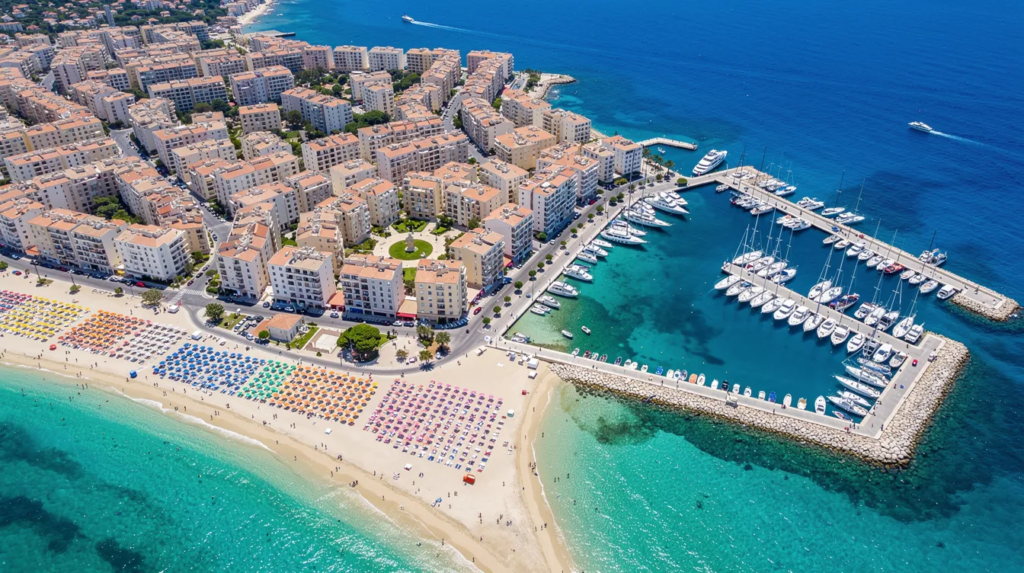
Limassol is the most cosmopolitan city on the island and the most expensive. It has the highest property prices in Cyprus, and English is widely spoken in business and social settings. The international community here is large: Russian, British, Israeli, Lebanese and tech-sector expats mix in bars, gyms and co-working spaces along the seafront.
For single professionals and remote workers, Limassol offers the closest thing to a European city lifestyle that Cyprus has. Co-working spaces cluster around the city centre, and the Old Port area has restaurants, bars and a walkable strip. If you live close to the seafront, car-free life is more feasible here than almost anywhere else on the island. The trade-off is rent: a one-bedroom flat in central Limassol runs roughly €1,000 to €1,100 per month.
Paphos
Paphos sits in southwest Cyprus and draws a large share of British expats, including many retirees and semi-retirees. Cyprus has a strong international community, especially in Paphos, and that community is heavily British. Social clubs, walking groups, quiz nights and charity events run year-round in Kato Paphos and the surrounding villages.
For single expats who value safety, nature and a slower pace over nightlife, Paphos is hard to beat. Rents are lower than Limassol; a one-bedroom flat in or near the town centre typically costs €500 to €600 per month. Winter is quieter, but year-round life exists if you’re close to the central areas. Those considering retirement in Cyprus often end up here.
Larnaca
Larnaca is a laid-back coastal city with a long promenade (Finikoudes), good cafés and a growing expat scene that feels less polished than Limassol but more authentic to some. Rents are usually lower than Limassol but have been rising. The city sits next to the main international airport, which is useful for single expats flying back to the UK or elsewhere frequently.
Living close to the centre and Finikoudes makes it easier to manage without a car if you’re on your own. For a detailed comparison with Paphos, see our Paphos vs Larnaca guide.
Nicosia
Nicosia is the capital city, inland, and best suited to those wanting a more local Cypriot feel. It has proper city life, year-round cultural events and larger local friendship networks that extend beyond the expat bubble. Renting a one-bedroom apartment in Nicosia averages €660 per month, making it more affordable than Limassol.
The cons: hotter summers without a sea breeze, more car-dependent neighbourhoods, and fewer casual beach social options. Nicosia suits younger professionals, people pursuing study at institutions like European University Cyprus, and those prioritising careers over coastal lifestyle.
Ayia Napa, Protaras and Smaller Towns
Ayia Napa and Protaras have stunning beaches and lively summers, but from November to March they empty out. For a single expat, living there year-round can feel isolating outside tourist season. Smaller towns and villages across the island can be idyllic if you speak some Greek and have a car, but they’re demanding if you’re moving to Cyprus alone without either.
Treat these areas as “second step” destinations. Spend your first year or two in a bigger hub building a social circle, then consider the move if a quieter life appeals.
Renting First vs Buying Property as a Single Person
Most single expats should rent in Cyprus for at least six to twelve months before buying property. You need to experience a neighbourhood in both summer and winter, test your commute, and discover whether the area’s rhythm suits your lifestyle.
It is advisable to secure temporary accommodation upon arrival in Cyprus before signing long-term leases. Furnished one-bedroom flats or studios are widely available; deposits are usually one to two months’ rent. Living alone changes the equation. There’s no one to split rent and utility bills with, so being realistic about budget and space matters more than having a spare bedroom for visitors.
If you’re considering buying, the average villa price in Cyprus is €350,000, and a city centre apartment in Cyprus costs over 50% less per square metre than in the UK. Property transfer fees are typically around 0.2% of the sale price. UK nationals can buy one property in Cyprus with permission from the Council of Ministers. Non-EU citizens face additional checks but the process is established. Buying Cypriot property can tie into some residency routes, including the Cyprus golden visa and permanent residence permit categories.
For a full breakdown of the property market, our guide to buying property in Cyprus covers what overseas buyers need to know.
Cost of Living in Cyprus When You Live Alone
Living alone means rent, electricity, internet and transport costs are not shared. A single person needs a higher per-head budget than half of a couple’s expenses. The cost of living in Cyprus for a single person averages between €1,200 and €2,000 per month, depending on location and lifestyle. The average monthly cost of living in Cyprus is around €1,266.
Here’s how the main categories break down in broad terms:
Category | Typical monthly range (single person) |
|---|---|
Rent (1-bed flat) | €500–€1,100 depending on city |
Utilities (electricity, water) | €100–€200 |
Internet and mobile | €30–€50 |
Groceries | €200–€350 |
Eating out | €100–€250 |
Transport/car costs | €100–€250 |
Healthcare/insurance | €50–€150 |
Entertainment and socialising | €100–€200 |
Rent in Cyprus is about 20% cheaper than in the UK. Groceries in Cyprus cost approximately 12% less than in the UK. A meal for two in Cyprus costs between €50 and €65 on average. Electricity, however, can be high; air conditioning in summer and heating in winter push utility bills up, and you’re paying the full amount yourself.
When budgeting your initial move, factor in deposits, furniture if renting unfurnished, car purchase or rental, residency application fees, translation and apostille costs, and flights. A financial buffer of three to six months of living expenses is sensible when you have no one else’s income to fall back on. For a detailed cost breakdown, see CyprusMove’s guide to move-to-Cyprus costs.
Visas, Residency and Cyprus Citizenship Options for Solo Movers
Rules differ depending on your nationality, and they change. Always cross-check current requirements with the migration department or a qualified adviser.
EU citizens have the right to live and work in Cyprus. If staying over three months, you need to register for a MEU residence document (sometimes called the “yellow slip”). The process is administrative rather than complex, and EU citizens retain the same residence rights as other European countries in the European Union.
UK citizens and other non-EU nationals face different rules. Non-EU citizens can stay in Cyprus for 90 days within a 180-day period without a permit. Beyond that, UK citizens need a residence permit. The main routes for a single person include:
Pink Slip (independent means): requires a secured annual income of at least €2,000 per month. Does not allow local employment but suits those with a UK pension, rental income or remote earnings.
Digital Nomad Visa: for remote workers earning at least €3,500 net per month from foreign companies. Valid for one year, renewable up to three years. The scheme is capped at 500 permits for non-EU/EEA nationals, so apply early.
Golden visa (permanent residence by investment): requires a minimum investment of €300,000, usually in Cypriot property. Grants a permanent residence permit.
Work permit and employment-based residence: if you have a job offer from a Cyprus company.
Student visa: allows enrolment at a Cypriot institution and part-time work under specific conditions.
Temporary residence permits are valid for one year and renewable. The path from legal residence to permanent residency takes several years, and Cyprus citizenship requires long-term residence plus meeting language and other criteria. Family reunification rules allow non-EU family members to join you once your own residence status is established.
For UK-specific guidance, our article on whether UK citizens can still move to Cyprus after Brexit covers the detail. For a comparison of temporary vs permanent residency, we have a dedicated guide. Foreign nationals from countries with a double taxation agreement with Cyprus may also benefit from certain tax arrangements; seek professional advice on this.
Banking and Opening a Cypriot Bank Account
A local bank account matters for someone living in Cyprus alone. Landlords often require rent payments from a Cypriot bank. Utilities, mobile contracts and some residency categories expect proof of a local account.
You’ll typically need a valid passport, proof of address (a signed lease or utility bill), proof of income or source of funds, and sometimes a tax identification number from your home country. If your income comes from abroad or you’re self-employed, banks will ask for contracts and bank statements. This can feel intimidating when you’re on your own, so preparing documents in advance saves multiple branch visits.
Many single expats now combine a local Cypriot bank account with online multi-currency accounts (Wise, Revolut) for UK-to-EUR transfers. This keeps exchange fees low and lets you pay tax obligations or receive a UK state pension without losing money on conversion rates.
Working, Remote Working and Running a Business in Cyprus as a Single Expat
Your work setup is crucial when you move alone because you depend solely on your own income. There’s no partner’s salary as backup.
Remote workers make up a growing share of single expats in Cyprus. The Digital Nomad Visa formalises this for non-EU nationals. Internet is reliable in main cities; fibre broadband covers Limassol, Paphos, Nicosia and Larnaca. Cyprus is UTC+2 (UTC+3 in summer), giving strong overlap with UK working hours. Co-working spaces in Limassol and Nicosia cater to international companies’ remote teams.
Local employment is more limited. Outside IT, gaming, finance and tourism, the job market is small and Greek language proficiency is often expected. Salaries tend to be lower than in the UK: an average net salary in Paphos is around €1,660 per month. UK expats and UK residents moving with the same income they earned at home will find their money goes further, but those relying on local wages may need to budget carefully.
Entrepreneurs can register a Cyprus company with 12.5% corporate tax. Personal income tax, social insurance and the correct residence status all need to be in order. For more on why entrepreneurs are choosing Cyprus, we have a separate guide. Always get professional advice before setting up a business; immigration, tax and employment rules depend on your individual circumstances.
Healthcare and Looking After Yourself When You Live Alone
Arranging healthcare is especially important if you’re moving to Cyprus alone with no family to lean on in an emergency. Cyprus has a national General Healthcare System (GESY), introduced in 2019 and funded through taxes and social service contributions. GESY is funded by employee contributions at 2.65% of gross pay and employer contributions at 2.90%.
Residents can access public healthcare regardless of nationality, provided they’re registered and eligible. Healthcare professionals in Cyprus include many expats, so finding an English-speaking doctor is straightforward in the main cities.
However, private health insurance is recommended for expats in Cyprus, particularly if you hold a permit type that doesn’t automatically qualify you for GESY (such as some Pink Slip holders or those in their first months). Private healthcare offers faster access and broader specialist coverage. Medical insurance is a requirement for several visa and entry visa categories.
On mental health: sunlight, outdoor exercise and the Mediterranean lifestyle genuinely help mood and energy. But loneliness and adjustment stress are real, particularly in the first winter. Private English-speaking therapists practise in Limassol and Nicosia; online therapy is another option. Compile a personal health file with your local GP contact, nearest A&E, and key emergency numbers. When you live alone, nobody else is doing this for you.

Making Friends in Cyprus and Building a Social Life
This is the section most single expats wish they’d read before moving. Meeting people in Cyprus is entirely possible, but it requires effort, especially in the first three months.
Most single expats in Cyprus build a mixed circle: other expats met through groups and activities, plus local Cypriots through work, hobbies or neighbourhood life. Joining local expat groups can help combat loneliness for newcomers in Cyprus, and Facebook groups for specific towns (Limassol Expats, Paphos Life, etc.) are active and welcoming.
Practical ways to meet people:
Gyms, yoga studios, running and cycling clubs
Sea-swimming groups (active year-round in most coastal towns)
Language exchanges and Greek classes
Co-working spaces where you become a regular
Volunteering with local charities or animal shelters
Quiz nights, board-game evenings, book clubs
Church groups and community events
For remote workers, being a regular at the same café or co-working space at the same time builds recognition. People start saying hello, then suggest coffee, then invite you to something at the weekend. This pattern is more reliable than one-off events.
In Limassol, social evenings around the Old Town and marina area run most weeks. In Paphos, walking groups around Tala and the coast attract expats of all ages. Nicosia has language meetups and cultural events tied to the capital city’s university and arts scene. Larnaca has seaside fitness groups and a smaller but friendly expat community.
Friendships form faster with other single expats who are in the same boat. But integrating with local neighbours makes life richer: greeting the bakery staff by name, joining a village festival, shopping at the same greengrocer. These connections anchor you to a place.
The first two to three months can feel socially thin. Set a goal of trying one or two new activities every week during that period. It feels forced at first. Then one Tuesday you realise you have three invitations for the weekend, and the effort starts paying off.
Dating and Social Life for Single Adults in Cyprus
There’s an active social scene in Limassol, Nicosia and Larnaca, with bars, live music and events where single adults meet naturally. Dating apps (Tinder, Bumble) are widely used among both locals and expats, particularly in the main cities.
Cypriot culture is family-oriented, and more traditional attitudes persist in some circles, especially outside the major cities. There’s a difference between the tourist-season social whirl and the slower rhythm of winter dating. Long-term relationships between expats and locals do happen, but they require adapting to differences around family expectations and social norms.
Personal safety applies: meet in public places first, let a friend know where you’re going, and use licensed taxis late at night. This matters more when you’re living alone with no local family members nearby.
Getting Around: Do You Need a Car if You Live Alone?
Cyprus is a car-oriented island. Intercity buses exist but run infrequently outside peak season. There’s no metro. Driving in Cyprus is on the left side of the road, which is familiar for British citizens.
You can manage without a car if you live centrally in Limassol, Larnaca, Paphos or Nicosia, work remotely, and don’t mind walking in summer heat. But for supermarket runs, weekend trips to beaches or mountains, and getting home safely at night, a car makes solo life much easier.
Car-related costs add up when there’s no one to share them: purchase price, insurance, annual MOT, fuel and parking. If you’re exchanging a UK licence, check the current timeframe for conversion.
A phased approach works: spend your first three to six months without a car while you learn the area, then decide if buying or long-term renting makes sense once you know your routines.
Is Cyprus Safe for Someone Living Alone?
Cyprus has low violent crime rates compared to many other European countries. Most single expats report feeling safe walking alone in main areas, during the day and at night. Safety is one of the primary reasons people choose this Mediterranean island.
Practical caveats exist. Petty theft occurs in tourist areas. Rental scams (fake listings, inflated deposits) catch newcomers. Used-car purchases without proper checks lead to problems. These are avoidable with normal precautions.
For solo living: choose well-lit neighbourhoods, fit decent locks, don’t leave valuables visible in cars, and avoid very isolated rural properties if you’re uneasy being alone at night. Use licensed taxis rather than walking long distances on unlit roads after dark. Save emergency numbers (112 for emergencies, your local police station, and the UK government’s consular contact if you’re a British citizen) in your phone.
Your First Few Weeks in Cyprus Alone: A Practical Checklist
The first fortnight sets the tone. Here’s a rough sequence for solo movers:
Week one:
Collect keys for your temporary or permanent accommodation
Do a basic food shop and locate your nearest supermarket, pharmacy and clinic
Get a local SIM or eSIM for calls, data and WhatsApp
Walk your neighbourhood at different times of day; note bus stops, safe walking routes and local cafés
Set up internet and utilities; understand rubbish collection days and recycling rules
Week two:
Book your residency appointment at the civil registry or migration department
Start the bank account process (gather documents in advance)
Arrange private health insurance if you’re not yet eligible for GESY
Join two or three Facebook expat groups for your town
Say yes to at least one invitation or attend one local meetup
Schedule regular video calls with family and friends back home
Emotional strategies matter too. Keep a loose daily routine: morning coffee, a walk, work blocks, evening activity. Mix admin tasks with small pleasures; a sunset walk after a frustrating bank visit resets your mood.
What We Wish We'd Known Before Moving to Cyprus Alone
We’ve helped many single expats through CyprusMove, and a few things come up again and again.
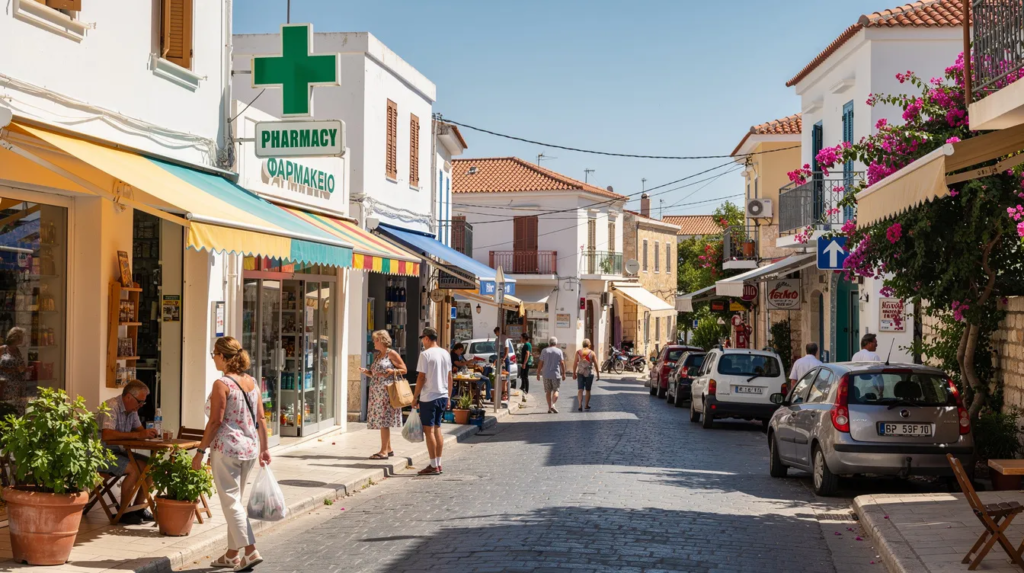
Routine builds faster than you expect. Within three weeks, most people have a favourite coffee spot, a preferred supermarket, and a regular evening walk. These small anchors matter more when you’re on your own. The bakery staff knowing your order is a form of belonging.
The second-month dip is real. The first month is adrenaline: everything is new, every meal feels like a holiday. Month two brings residency paperwork, utility bills in Greek, and the realisation that you still don’t know anyone well enough to call at short notice. It passes. Almost everyone we’ve worked with says month four or five is when things click.
August and February are different planets. Summer evenings are social, spontaneous and full. By mid-November, tourist streets empty, bar hours shrink, and weekends can feel long if you haven’t built a routine. One expat we helped in Paphos described February as “the month I finally joined a walking group because I’d run out of Netflix.” She’s still in that group three years later.
You have to make plans. When you lived near friends and family, social life happened by default. In Cyprus, you need to text first, suggest coffee, organise the hike. This isn’t a flaw of the country; it’s the reality of starting over anywhere.
Learn some Greek. Even basic phrases. Shopkeepers, taxi drivers and older Cypriots respond warmly when you try. It changes the texture of daily life.
Cyprus isn’t perfect. Bureaucracy is slow, summers are hot, and January can feel lonely. But if you value independence, sun and the chance to build something new, moving here alone can be one of the better decisions you make; once you give yourself six to twelve months to settle properly.
Is Moving to Cyprus Alone Worth It
Moving to Cyprus as a single person offers a genuine lifestyle shift: lower living expenses than the UK, a climate that encourages outdoor living, a safe environment, and enough of a strong expat community to avoid starting completely from scratch. The island suits people with stable income, whether from a UK pension, remote work, or a business serving foreign buyers or international companies.
The trade-offs are real. The local job market is limited. Bureaucracy requires patience. Distance from family members takes emotional management. And if you visit Cyprus for two weeks in July and assume the rest of the year feels the same, you’ll be surprised by the quiet of a rural country winter.
Before committing, sense-check your situation: do you have a reliable income source? Three to six months of savings as a buffer? A plan for healthcare? The willingness to eat alone sometimes and make the first social move? If yes, Cyprus is worth serious consideration.
CyprusMove.com exists to help with the practical side of relocating. Whether it’s residency options, finding the right area to rent or buy, opening a bank account, or connecting you with people who’ve already made the move, we can help you work through the detail. You don’t have to figure out visas, property prices, area decisions and local rules entirely on your own.
If you’re thinking about moving to Cyprus alone, get in touch with our team for a no-pressure conversation about your plans. We’ll help you work out what’s realistic, what to do first, and how to make your move to Cyprus as smooth as it can be.