Cyprus and Dubai both offer sunshine, tax advantages, and thriving international communities – but they serve fundamentally different long-term goals. Cyprus delivers EU membership, a generous Non-Dom tax regime lasting up to 17 years, and a cost of living that is 15–25% lower than Dubai’s. Dubai provides zero personal income tax and a fast-paced global business hub. The right choice depends on whether you prioritise lifestyle balance and European access, or maximum short-term earnings in a highly urbanised environment.
This guide breaks down every major factor – from tax benefits and residency options to healthcare, education, property investment, and retirement suitability – so you can make a fully informed decision about where to build your next chapter.
Quick Overview – Cyprus vs Dubai
Before diving into the details, here is a side-by-side snapshot of the most important factors:
Factor | Cyprus | Dubai |
|---|---|---|
Location | EU member state in the Eastern Mediterranean | Part of the UAE in the Middle East |
Climate | Mediterranean; 300–340 sunny days/year; mild winters (+13–15 °C) | Desert; extreme summer heat exceeding 40–45 °C; mild winters |
Personal Income Tax | Progressive 0–35 %; 0 % on income up to €19,500 | Zero personal income tax on salaries |
Corporate Tax | 12.5 % | 9 % on profits above AED 375,000; free zones may qualify for 0 % |
Non-Dom / Special Regime | 0 % SDC on dividends, interest, rental income for up to 17 years | No equivalent regime (no income tax applies regardless) |
Capital Gains Tax | None on securities; applies only to Cyprus immovable property | None for individuals |
Residency Options | 60-day rule, 183-day rule, permanent residence via €300,000 investment | Golden Visa (5–10 years), Green Visa, Blue Visa, Retirement Visa |
Cost of Living (single) | €1,950–€2,600/month | Approximately €2,500–€4,000+/month |
Rent (1-bed apartment) | ~€550/month average | AED 5,000–7,000/month (~€1,250–€1,750) |
Healthcare | Hybrid public/private GeSY system; European standards | Private-only; mandatory private health insurance; high costs |
Education (private) | €6,000–€12,000/year | €7,000–€15,000+/year |
Property Entry Price | Coastal properties from €200,000–€400,000 | Prime locations from €500,000+ |
EU Access | Full EU membership; free movement across EU countries | No EU access or EU rights |
Safety | Ranked 13th globally (2024); 80 %+ feel safe walking alone at night | Generally very safe; strict public behaviour regulations |
Lifestyle | Relaxed Mediterranean; community-oriented | Fast-paced; luxury-oriented; cosmopolitan lifestyle |
Cyprus generally offers greater balance between financial benefits and quality of life – particularly for families, retirees, and internationally mobile professionals seeking a sustainable long-term base rather than a temporary posting.
Tax Benefits and Residency Options
Cyprus Tax Advantages
Cyprus combines EU-compliant tax structures with one of Europe’s most attractive regimes for non-domiciled residents.
Tax residency can be established through two pathways. The standard 183-day rule requires spending at least 183 days per calendar year on the island. The 60-day rule offers a more flexible alternative – you need only spend 60 days in Cyprus provided you maintain a permanent home there, carry out business or employment in Cyprus, hold no tax residency elsewhere, and are not tax resident in any other country during the same year. For some residency routes or tax relocation planning, you may also need to evidence sufficient annual income.
The Non-Dom regime is available automatically to individuals who are tax resident but not domiciled in Cyprus. It provides a 0% special defence contribution on dividends, interest, and rental income for up to 17 years. Cyprus offers a 0% special defence contribution on dividends for non-doms, making the island especially attractive for business owners and investors with passive income streams. Personal income tax in Cyprus starts at 0% for income up to €19,500, then rises progressively to a maximum of 35%. Cyprus allows foreign income to be tax-exempt unless earned locally.
Additional advantages include Cyprus taxing business profits at 12.5%, no capital gains tax on securities, an IP Box regime with an effective rate as low as 3% on qualifying intellectual property income, and access to a double tax treaty network spanning over 65 countries. Cyprus has a corporate tax rate of 12.5%, which is competitive among European countries.
For high earners relocating with an employment contract, the 50% salary exemption allows newly resident individuals earning above €55,000 annually to exempt half their employment income for up to 17 years – a significant incentive for UK nationals and british expats considering the move. Non-EU citizens relocating for employment will usually need a work visa linked to a local contract, and some permit categories depend on a minimum salary threshold. A local bank account is also commonly needed during relocation and company setup for compliance and day-to-day payments. Applicants for Cyprus residence permits are normally required to appear in person to submit biometric data. These residence formalities are generally handled by the migration department. Final registration steps may also involve the civil registry.
Dubai Tax Environment
Dubai’s headline advantage is zero personal income tax – salaries, dividends, and investment returns in personal capacity are not taxed. Dubai has zero personal income tax on salaries, which is a straightforward benefit requiring no special regime or application process.
However, Dubai introduced a 9% corporate tax on profits exceeding AED 375,000, effective from June 2023. Free zones may still qualify for 0% corporate tax on qualifying income, subject to meeting substance requirements. Small Business Relief for entities with revenue under AED 3 million applies until end-2026, after which more businesses will fall into the tax net. VAT stands at 5%.
Residency pathways include the Golden Visa (5- or 10-year terms for investors with AED 2 million+ in real estate or investment), the Green Visa for skilled workers and self employed individuals, the Blue Visa for environmental specialists, and the Retirement Visa for those aged 55+ with property worth AED 1 million or more. Standard employment visas remain common, typically lasting 2–3 years and tied to an employer.
Both Cyprus and Dubai offer meaningful tax benefits, but Cyprus combines these with EU membership, regulatory certainty, and a well-established Non-Dom regime that provides long-term planning security.
Cost of Living – Which Destination Offers Better Value?
Cyprus provides a lower cost of living compared to Dubai across nearly every category, with average prices for housing, groceries, and day-to-day spending generally lower in Cyprus. Cyprus’s cost of living is 15–25% lower than Dubai’s, making it substantially more affordable for the same income level.
Expense | Cyprus | Dubai |
|---|---|---|
1-bed apartment (average) | €550/month | AED 5,000–7,000/month (~€1,250–€1,750) |
2-bed apartment (city centre) | €900–€1,500/month (Limassol) | AED 6,000–12,000+/month (~€1,400–€2,800+) |
Monthly utilities | €100–€150 | €150–€250+ (heavy cooling costs) |
Meal at a small restaurant | €10–€20 | €15–€30+ |
Monthly groceries (single) | €250–€400 | €350–€550+ (imported goods premium) |
Monthly transport | €40–€80 (bus pass) | €100–€200+ (car-dependent) |
Private school fees (annual) | €6,000–€12,000 | €7,000–€15,000+ |
Private health insurance | €80–€120/month | €820–€5,440/year (mandatory) |
A one-bedroom apartment in Cyprus costs €550 on average, while Dubai’s rent for a one-bedroom apartment averages AED 5,000 to AED 7,000. Monthly utilities in Cyprus range from €100 to €150. A meal in a small restaurant in Cyprus costs €10 to €20.
Monthly expenses for a single professional in Cyprus are €1,950 to €2,600, excluding rent at the higher end. A family of four can live comfortably in Cyprus – including private schooling – for approximately €3,200–€4,400 per month. In Dubai, an equivalent family lifestyle with private school fees, medical insurance, and comparable housing typically requires €7,000–€12,000+ per month. Relocation budgets should also account for shipping costs, which vary based on volume and transport method.
The lower cost base in Cyprus means that even with its progressive income tax, many residents retain more disposable income than they would in Dubai’s zero tax but high-expense environment. For retirees living on a UK pension or investment income, this cost difference is particularly meaningful.
Lifestyle and Work-Life Balance
Cyprus Mediterranean Lifestyle
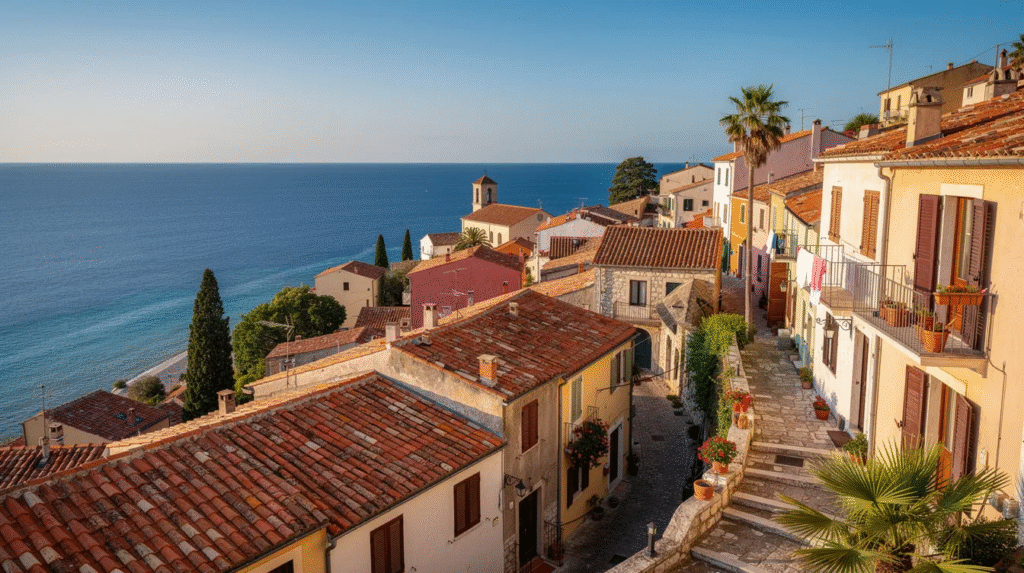
Living in Cyprus revolves around outdoor family time, long meals, and a community-oriented pace that supports genuine work-life balance. Cyprus offers a relaxed Mediterranean lifestyle with a rich cultural history influenced by Greek traditions. Cyprus features a slower-paced community-oriented lifestyle where village culture, seasonal festivals, and local produce markets form part of daily life.
Cyprus offers various outdoor activities like hiking and sailing, with the Troodos Mountains providing year-round walking and skiing in winter, and over 600 km of coastline offering beaches, diving, and water sports. Established English-speaking expat communities – particularly in Paphos and Limassol – make integration straightforward for UK nationals. Cyprus is popular among retirees and expats seeking tranquility and a relaxed lifestyle.
Dubai Business-Focused Culture
Dubai is known for its luxurious lifestyle and state-of-the-art infrastructure. The city functions as a commercial centre with a strong emphasis on networking, career progression, and status. Dubai features a fast-paced modern urban environment with luxury shopping and nightlife as core lifestyle elements. Dubai is a cosmopolitan city with a strong Islamic cultural backdrop.
While leisure options are abundant – from designer retail to premium dining around Dubai Marina and Abu Dhabi – the culture is predominantly business-focused. Many expats work long hours, and the highly urbanised setting means less access to varied natural environments. Dubai’s living environment includes luxury shopping and nightlife, but the cosmopolitan lifestyle comes at a premium that not all residents find sustainable over the long term.
For those prioritising quality of life, family time, and a healthier pace, Cyprus stands as the stronger choice.
Climate and Natural Environment
Cyprus has about 300–340 sunny days per year, with a Mediterranean climate that delivers mild winters and warm, dry summers. The average air temperature in Cyprus during winter is +13…15 °C, making year-round outdoor activity practical and enjoyable. Landscapes range from sandy beaches and rocky coves to pine-covered mountains and traditional stone villages – a diversity rarely found on a single island.
Dubai features intense summer heat affecting outdoor activities, with temperatures regularly exceeding 40–45 °C from June through September. Humidity in coastal areas compounds the discomfort. Winters are pleasant (20–25 °C), but the window for comfortable outdoor living is shorter. Landscapes are predominantly flat and arid, with high-quality beaches but limited natural variety inland.
Cyprus offers greater environmental diversity and a climate that supports outdoor enjoyment across all four seasons – a significant quality-of-life advantage for families, retirees, and anyone who values time spent outside.
Healthcare and Education
Cyprus’s healthcare system ranks 29th globally in 2024, operating a hybrid public-private model under the General Healthcare System (GeSY). The system meets European standards, and private healthcare is accessible and affordable, with monthly health insurance premiums typically running €80–€120 for moderate coverage. EU directives apply, and an EU national relocating to Cyprus generally faces fewer administrative barriers than non-EU applicants when securing residence rights, while the infrastructure continues to improve.
Dubai offers world-class private hospitals with international accreditation, but mandatory private health insurance is significantly more expensive – comprehensive family plans commonly range from €820 to €5,440 per year depending on coverage level. There are limited public healthcare options for expatriates.
On education, Cyprus provides a range of international schools following British, American, and IB curricula, with private school fees typically between €6,000 and €12,000 per year. Non-EU students attending Cyprus institutions generally need a student visa, supporting documentation, and timely renewal compliance. Dubai’s international schools are well-regarded but carry higher costs – often €7,000 to €15,000+ annually, with secondary and IB programmes commanding the highest fees. Additional costs for uniforms, transport, and extracurricular activities add to the Dubai education bill.
Cyprus offers better value and a more family-oriented healthcare and education environment – an important consideration for family members planning a long-term move.
Property Investment Opportunities
Cyprus real estate offers accessible entry points and stable long-term growth. Coastal properties in popular locations like Paphos, Larnaca, and Limassol start from €200,000–€400,000, with strong rental demand from both holidaymakers and the established expat community. Rental yields in popular coastal zones historically run 3–5% net. Property rights are protected under EU and Cypriot law, and investors can gain permanent residency in Cyprus with a €300,000 investment.
Dubai’s prime locations – Downtown, Palm Jumeirah, Dubai Marina – often start from €500,000+ for high-end apartments and villas. Rental yields can be higher (5–8% gross in well-located properties), but maintenance fees, service charges, municipality fees, and market volatility can significantly reduce net returns. Dubai’s property market has historically shown more pronounced price swings compared to Cyprus’s steadier trajectory.
For buyers seeking both a lifestyle home and a sound property investment, Cyprus offers the more compelling combination – lower entry costs, EU legal protections, and a market that rewards patient ownership. There is no inheritance tax in Cyprus on assets passed to family members, adding further long-term planning value.

Business and Entrepreneur Opportunities
A Cyprus company provides direct access to European markets through EU membership, with a 12.5% corporate tax rate, an extensive double tax treaty network, and an IP Box regime for tech and intellectual property businesses. Cyprus offers access to European markets and double taxation treaties, making it a strategic hub between Europe, the Middle East, and Africa. Setting up a business in Cyprus takes 5–10 working days, with Cyprus’s company formation costs ranging from €1,200 to €3,000. Annual compliance costs remain modest.
Dubai is considered a global hub for business opportunities, with free zones offering 100% foreign ownership and minimal import/export restrictions. Dubai has free zones offering 100% foreign ownership, which appeals to international companies seeking rapid market access across Asia, Africa, and the Middle East. Setup costs vary – free zone licences start from AED 5,000–10,000+ (~€1,200–€2,500), but full operations with staff, premises, and government fees can be substantially higher.
Dubai’s networking advantages are real, particularly for trade, logistics, and fintech. However, Cyprus offers entrepreneurs a more balanced business structure – combining tax efficiency with EU regulatory certainty, a lower cost base, and a lifestyle that supports sustainable business building without the burnout that Dubai’s pace can produce.
Which Destination Is Best for Retirees?
Cyprus stands as the stronger retirement destination by a significant margin.
The lower cost of living means retirement savings and a UK pension stretch further – monthly living expenses for a single retiree can be managed within €1,950–€2,600. Cyprus ranks 13th in the world for safety in 2024, and over 80% of Cypriots feel safe walking alone at night. The moderate Mediterranean climate avoids the extreme summer temperatures that make Dubai uncomfortable for older residents.
Healthcare access through the GeSY system provides affordable coverage, and established English-speaking expat communities in Paphos and Limassol offer ready-made social networks. Proximity to the UK and other EU countries means family visits and medical travel are straightforward – direct flights to London take around 4.5 hours.
Cyprus’s pension tax treatment is favourable: income up to €19,500 is tax-free, and retirees who qualify as non-doms can receive dividend and interest income free of the Special Defence Contribution. While Dubai’s zero tax on income is attractive on paper, the higher living expenses, extreme climate, and distance from Europe often erode the financial advantage for retirees.
Which Destination Is Best for Families?
For long-term family life, Cyprus offers a more practical and affordable environment.
Education costs are meaningfully lower – private school fees in Cyprus run €6,000–€12,000/year compared to €7,000–€15,000+ in Dubai – and the overall cost of living difference means families can maintain a higher standard on the same income. Children growing up in Cyprus benefit from outdoor activities like hiking, sailing, and beach time year-round, in an environment that supports a relaxed lifestyle rather than one dominated by air-conditioned malls and indoor entertainment.
Safety is exceptional – Cyprus ranks 13th globally. The community atmosphere in smaller cities and coastal towns fosters strong social bonds, and the cultural backdrop of Greek traditions provides depth beyond the transient expat cycles common in Dubai. Non-EU nationals and non-EU citizens can obtain residency for family members through straightforward pathways, and EU citizens must apply for a registration certificate after 3 months in Cyprus.
Critically, children raised in Cyprus gain proximity to other European countries and potential pathways to EU residency – an advantage with lifelong implications for education, employment, and visa free travel.
Who Should Choose Cyprus?
Choose Cyprus if you want:
A European lifestyle with Mediterranean culture, outdoor living, and a relaxed pace
Lower living costs – 15–25% below Dubai across housing, food, education, and healthcare
Non-Dom tax benefits – 0% on dividends, interest, and rental income for up to 17 years
EU access – free movement, trade, and regulatory protection as an EU member state resident
Property ownership opportunities – buying property from €200,000 with permanent residence available via €300,000 investment
A retirement destination with safety, affordable healthcare, and established expat communities
A family-friendly environment with lower private school fees and year-round outdoor activities
Better work-life balance – community-oriented living without sacrificing tax efficiency
Ideal candidates include retirees, families with children, lifestyle-focused entrepreneurs, remote workers, and anyone who values long-term stability over short-term financial maximisation.
Who Might Prefer Dubai?
Choose Dubai if you prioritise:
Zero tax on employment income and plan to generate very high salary-based earnings
Large-scale business opportunities requiring proximity to Asian, African, and Gulf markets
A highly urban, luxury-oriented environment with designer retail, premium dining, and state-of-the-art infrastructure
Fast-paced international networking and access to global business events
Free zone company structures with 100% foreign ownership for specific trade or logistics operations
Dubai suits professionals and business owners for whom maximum earnings in a short timeframe outweigh lifestyle considerations, and who are comfortable with a transient, high-cost environment.
Final Verdict – Cyprus or Dubai?
For families, retirees, lifestyle buyers, property investors, tax residents, and long-term relocators, Cyprus is the stronger choice.
Cyprus offers EU membership and access to EU countries. It provides a Non-Dom regime lasting up to 17 years with zero tax on passive income. The cost of living is 15–25% lower. The climate supports year-round outdoor enjoyment. Healthcare and education are affordable and high-quality. Property investment offers stable returns with EU legal protections. And obtaining a residence permit in Cyprus takes about 4–6 weeks – a fast, transparent process. The temporary residence permit in Cyprus costs €70 per family member, reflecting the island’s accessible approach to immigration.
While Dubai remains a world-class business hub, Cyprus offers a more balanced combination of tax efficiency, European access, affordability, lifestyle, and long-term quality of life. For the majority of people considering relocation abroad, that balance is what makes the difference between a temporary posting and a genuine home.
Conclusion
Cyprus delivers where it matters most for international relocation: meaningful tax benefits through the Non-Dom regime, a cost of living that preserves your wealth, a Mediterranean lifestyle that supports health and happiness, straightforward EU residency opportunities, and a property market that rewards long-term investment. Non-EU citizens need a residence permit to stay in Cyprus over 90 days, but the process is efficient and well-supported.
Whether you are a business owner seeking tax efficiency, a retiree looking for safety and sunshine, a family wanting affordable education and outdoor living, or a remote worker building a European base – Cyprus consistently delivers.
If you’re considering relocating to Cyprus and would like expert guidance on residency, tax residency, property, or relocation services, contact CyprusMove today. Our team can help you make a smooth and successful move to the island.