If you’re considering moving to Cyprus, there’s a good chance you’ve already narrowed your search to two cities: Paphos or Limassol. They’re the most popular choices for British and international expats, and for good reason. But they offer noticeably different lifestyles, and the one that suits your neighbour back home might not suit you at all.
This isn’t a guide about where to spend a week on holiday. It’s about where to actually live – where to rent or buy, where to send your children to school, where to build a social life, and where your money will stretch furthest. At CyprusMove.com, we help people work through exactly these decisions every day, and the Paphos vs Limassol question comes up more than almost anything else.
One thing worth saying upfront: since Brexit, UK nationals are now counted as non-EU citizens, which means understanding residency routes, property investment thresholds, and permanent residence options is more important than ever when choosing where to base yourself.
Paphos vs Limassol at a glance
In simple terms, Paphos is a smaller, quieter coastal city with a relaxed Mediterranean pace, a well-established British expat community, and significantly lower living costs. It tends to attract retirees, families, and remote workers who value nature, affordability, and a laid-back daily life.
Limassol is Cyprus’s second-largest city and its commercial engine. It has a cosmopolitan lifestyle, stronger job opportunities (particularly in finance, tech, and shipping), a vibrant restaurant and nightlife scene, and a more diverse international community – but everything costs more.
Both are genuine contenders for the best place to live in Cyprus. The right choice depends on your budget, your work situation, and what kind of life you want to wake up to every morning.
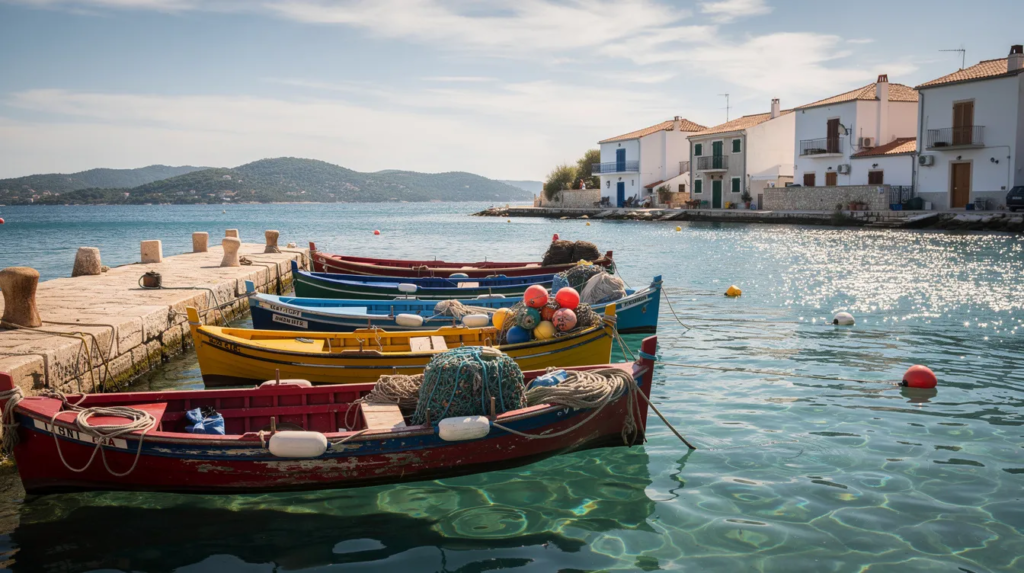
Quick comparison table: Paphos vs Limassol for expats
The table below gives you a snapshot of how the two cities compare across the factors that matter most when deciding where to live in Cyprus.
Factor | Paphos | Limassol |
|---|---|---|
Lifestyle pace | Slower pace, relaxed, village feel in nearby villages | Busier, more urban, year-round buzz |
City size | Smaller coastal city | Larger commercial city |
Housing costs | Generally cheaper than Limassol | High rental demand and higher prices |
Typical expat profile | Retirees, families, remote workers | Young professionals, business owners, corporate employees |
Nightlife | Quieter after 11pm, more pubs and bars than clubs | Lively, late-running bars and clubs, especially around the marina |
Beaches | Sandy beaches, wild coves, Coral Bay | Long urban beachfront, promenade, mostly shingle |
Job opportunities | Limited - tourism, hospitality, small business | Strong - finance, tech, shipping, i-gaming |
Traffic | Lighter, easier parking | Busy dual carriageways and seafront congestion at rush hour |
Family suitability | Very family-friendly, larger homes with gardens | Good schools and activities, but denser and busier |
Retirement suitability | Excellent - affordable, peaceful, strong community | Good - more healthcare options, but higher costs |
International community | Strong British and northern European presence (38% foreign residents) | Diverse mix of nationalities (around 20% non-national residents) |
Conditions and prices change over time. If you want advice tailored to your situation right now, CyprusMove’s online questionnaire can help.
What is it like living in Paphos?
Paphos is a UNESCO World Heritage site famous for its archaeological riches and mythical heritage, but the real draw for expats isn’t the history – it’s the daily life. The city centre is walkable, the pace is unhurried, and the surrounding communities like Peyia, Tala, Chloraka, and Geroskipou each have their own character.
Outside the summer months, Paphos gets quieter. Some tourist businesses close between November and March, but there’s still plenty open for residents. Winters are mild, the expat community stays active, and you’ll find walking groups, social clubs, and coffee mornings running year-round.
Key areas to consider: Kato Paphos is close to the harbour and convenient but touristic; Paphos town centre has more local flavour; the Universal area is popular with families; Tala and Peyia suit those who want space, views, and fresh air. Paphos has excellent access to natural sites like the Akamas Peninsula and Lara Beach, and Coral Bay is just a short drive away.
Paphos International Airport is roughly 15–20 minutes from most residential areas, serving 52 non-stop destinations in 19 countries – handy for family members visiting from the UK or Europe. You’ll still need your own car for comfortable everyday life, but traffic is light compared with Limassol.
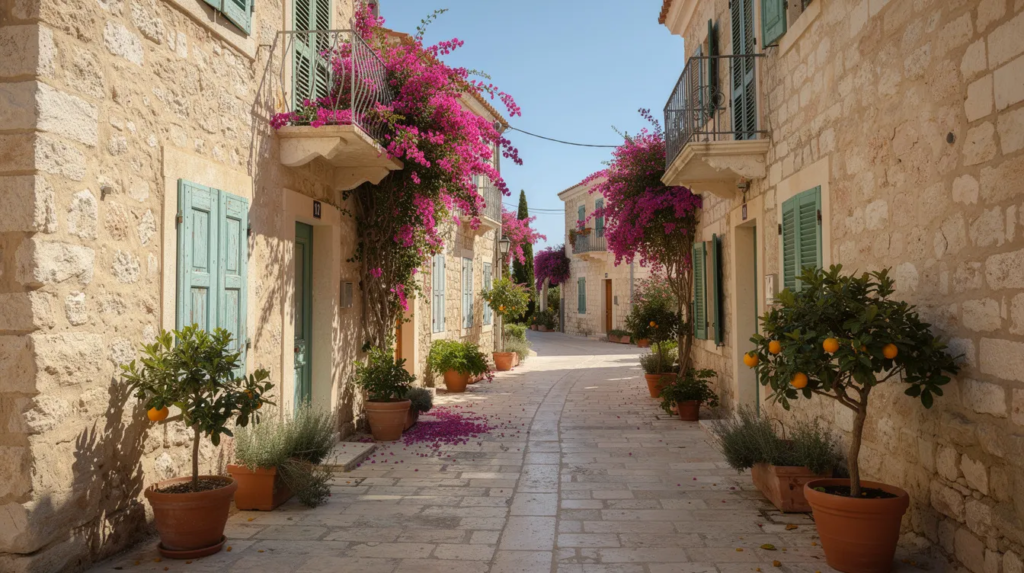
What is it like living in Limassol?
Limassol feels like a proper mid-sized city. The Limassol Marina is a landmark, the seafront is lined with high-rise developments, and the business districts hum with activity from international companies.
The city hosts large-scale cultural events like the Carnival and Wine Festival, and there’s a genuine year-round buzz – more restaurants stay open in winter, more events happen, and the social calendar is fuller. Limassol features a modern marina, nightlife, and diverse dining options that keep things interesting beyond the summer season.
Key neighbourhoods: the Germasogeia tourist strip suits short-term residents; the Old Town and Marina area appeal to young professionals; upmarket suburbs like Agios Tychonas and Parekklisia suit families wanting space; Mesa Geitonia and Kapsalos are more local and affordable.
Limassol doesn’t have its own airport. Most residents use Larnaca International Airport, about 45–60 minutes by motorway, and the city is well connected to the airport and other parts of the island, with more airlines and year-round frequency. The trade-off is that every airport run takes planning.
Downsides? Heavier traffic at peak times, limited parking in central districts, and more city noise. But if you want access to the island’s best job market and most varied amenities, this is where you’ll find them.

Cost of living: Paphos vs Limassol
Limassol tends to be more expensive, particularly in housing and general expenses. Paphos is considerably more affordable than Limassol for living costs and real estate – and this gap affects everything from your weekly shop to your rent.
Broadly, groceries, eating out, and leisure activities cost around 10–20% less in Paphos. Monthly mobile plans in Cyprus are around €30 regardless of city, and utilities are about 15% cheaper than in larger European countries, with Cyprus still generally cheaper overall than many EU countries. But it’s the housing difference that really adds up – we’ll cover that below.
Higher average salaries in Limassol can partly offset higher living costs if you’re employed locally, and the average monthly net salary in Cyprus tends to sit higher in Limassol than in Paphos. But for people working remotely or living on pensions, the affordable cost of living in Paphos means your money simply goes further. For a fuller breakdown, see our guide to understanding the cost of moving to Cyprus.
Renting a property in Paphos vs Limassol
Both cities have active rental markets, but the price gap is significant. Renting a one-bedroom apartment in Paphos starts from around €550 per month, while a comparable one-bedroom apartment in Limassol starts from around €650 – and in central or seafront areas of Limassol, you can easily pay €1,000–€1,300.
Limassol’s high rental demand, driven by corporate tenants and international professionals, pushes prices up and can make finding a long-term rental competitive. Paphos has a more relaxed market with a wider mix of long-term residents and holiday lets.
Property types differ too. In Paphos, you’re more likely to find houses with gardens and pools at reasonable prices, especially in nearby villages like Tala or Peyia. In Limassol, apartments dominate – from older blocks to sleek new-build towers.
Practically, both EU citizens and non-EU citizens usually need a confirmed local address for residency paperwork, so sorting your rental early matters. CyprusMove can connect you with trusted agents in both cities.
Buying property and the real estate market: Paphos or Limassol?
Paphos has lower property prices compared to Limassol, making it attractive for buyers looking for entry-level investment or a family home with more space. In 2024, apartment prices across Cyprus rose by 8.8%, with the average sale price per square metre sitting around €2,600. Paphos experienced particularly strong property price growth of 11.8% in 2024.
Average rental yields in Paphos range from 4% to 6%, while Limassol offers rental yields of 6% to 8% for luxury properties – though the higher purchase prices in Limassol mean more capital is needed upfront. The real estate market in both cities is active, with foreign buyers accounting for a significant share of transactions.
For non-EU citizens (including most post-Brexit British buyers), purchasing a new property worth €300,000 or more can open a route to permanent residency through a qualifying investment, which is distinct from Cypriot citizenship. Both cities have developments that qualify, but Paphos often offers larger homes or better views for the same investment threshold. Our investment property guide covers the details.
Non-EU citizens may face restrictions on the number of properties they can buy without additional approvals, so independent legal advice is essential. Residence applications also typically require submitting biometric data before residence cards are issued. For more on new build vs resale, we have a dedicated guide.
Beaches and outdoor lifestyle
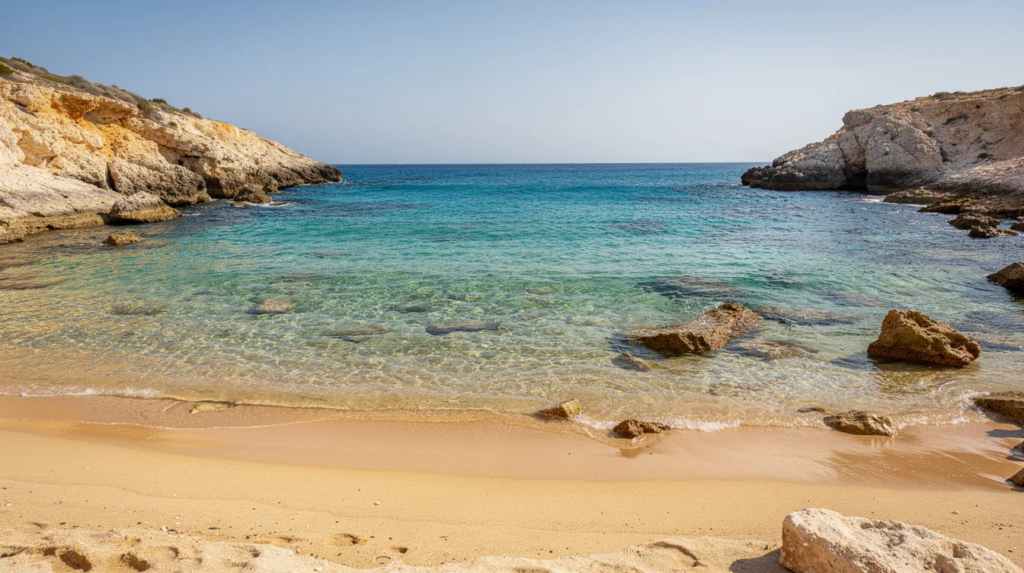
Paphos wins on variety. Coral Bay offers proper sandy swimming, the sea caves near Peyia are dramatic, and the Akamas Peninsula is one of the last truly wild stretches of Mediterranean coastline. Lara Bay is a protected turtle nesting site and feels like stepping back in time. These spots suit families, hikers, and anyone who values nature over manicured beachfronts.
Limassol’s coastline is long but more urbanised. The Molos promenade is ideal for jogging, cycling, and evening walks, and Dasoudi Beach has good facilities. Governor’s Beach, a short drive east, offers something more scenic. The Troodos Mountains are accessible from both cities for day trips, but Limassol is slightly closer to the main routes up.
Living near the sea on a normal budget is more realistic in Paphos. In Limassol, waterfront or sea-view properties command steep premiums. With over 300 days of sunshine, the outdoor lifestyle shapes daily life in both cities – but it’s more accessible in Paphos.
Restaurants, bars and nightlife
Limassol has a vibrant nightlife and modern amenities that set it apart. The Marina, Old Town, and Saripolou Square are packed with wine bars, cocktail lounges, fine dining, and casual tavernas. Things run late, especially in summer. If nightlife matters to you, Limassol is the clear winner.
Paphos is geared towards family-friendly activities and a peaceful environment. Kato Paphos has a bar street, the harbour has good restaurants, and Coral Bay gets lively in season – but it’s more pubs, sports bars, and tavernas than clubs. A meal in a café costs between €10 and €20 in both cities, though cocktails and high-end meals tend to be pricier in Limassol.
When you actually live somewhere, nightlife looks different from a holiday. In Paphos, you can have a pleasant meal out on a Tuesday without queues or noise. In Limassol, there’s more choice, but parking and busier streets come with it.
Jobs and career opportunities
Limassol is Cyprus’s financial and commercial hub. Shipping, maritime services, forex, i-gaming, and tech companies cluster here, and many international firms have regional offices in the city. Limassol offers more job opportunities in finance and technology than anywhere else on the island, and salaries tend to be higher.
Paphos’s job market is more limited – tourism, hospitality, construction, and local services dominate. Salaries are lower, and many roles are seasonal. English is widely spoken in both cities, but many local-facing roles prefer or require Greek.
Non-EU nationals need a work permit and potentially a work visa before starting employment. The rules differ from those for EU citizens, so expats, especially those from outside the EU, should check current immigration requirements carefully. Our guide on moving to Cyprus from the UK covers the key steps.
Remote working and running a business
Both cities attract expats who work remotely or run online businesses, drawn by the time zone, weather, and favourable income tax environment – including the non-dom regime that can benefit entrepreneurs.
Limassol has more co-working spaces, tech events, and professional meet-ups. Paphos has a smaller but growing remote-worker scene, with networking that tends to happen in cafés and over beach walks rather than formal events. Both cities have reliable fibre broadband and improving 5G coverage.
The lifestyle trade-off is clear: Paphos offers a quieter environment and lower cost, while Limassol offers more business networking and city energy at a higher price. Our guide on working remotely from Cyprus explores this in more detail.
Traffic, driving, Paphos International Airport and getting around
Public transport in Cyprus is limited. Most expats need their own car in both Paphos and Limassol – buses exist but are unreliable for evenings, weekends, and school runs. You can hire a car initially, but long-term you’ll almost certainly want to buy or lease.
Limassol has multi-lane coastal roads and regular congestion at rush hour, particularly around the Marina and seafront. Parking in central areas is often paid and competitive. Paphos is calmer: less traffic volume, easier parking, though some older streets are narrow.
The A6 motorway connects the two cities in about 60 minutes, making weekend trips between them straightforward. Cyprus is not yet in the Schengen Area, so airport and cross-border travel rules differ from travel within Schengen Europe. Both cities offer easy access to the Troodos Mountains and other cities on the island. British expats will appreciate that Cyprus drives on the left.
Schools, childcare and family life
Both cities attract families, but the school landscape differs. Limassol has the largest selection of international and English-language schools in Cyprus, with annual tuition ranging from around €4,000 to €15,000 at senior levels. Paphos has fewer options but well-regarded schools like the International School of Paphos, with fees typically between €4,500 and €9,000.
Childcare and nurseries are available in both cities. Limassol tends to have more choice but higher prices; Paphos offers more community-style settings. For families moving to Cyprus with children, we’d recommend visiting schools in person during term time before committing.
Everyday family life in Paphos revolves around beaches, nature walks, and a relaxed lifestyle. In Limassol, the seafront promenade is excellent for cycling with kids, and there are more structured extracurricular activities. Both cities are safe – Cyprus is ranked the 13th safest country globally, with a homicide rate of just 0.8 per 100,000 people. Over 80% of residents feel safe walking alone at night, reflecting the island’s low crime rates and strong sense of community.
Healthcare and everyday services
Cyprus operates a public healthcare system (GESY) alongside private clinics. Both Paphos and Limassol have general hospitals and private options, though Limassol has recently expanded with the Hadassah Medical Center opening in July 2026, adding advanced diagnostics and specialist care.
Paphos General Hospital handles public care well, and there are reputable private clinics, though for certain specialist treatments patients may need to travel to Limassol or Nicosia. Many doctors and pharmacists speak English, which helps British and international expats.
Registration for public healthcare depends on your residency status and social insurance contributions – the process differs for EU citizens and non-EU citizens. Our guide to residency options covers how this works.
For everyday services – supermarkets, banks, gyms, shopping – Limassol has more variety. But Paphos covers everything most expats need day to day, and often with less queuing and easier parking.
Expat communities and making friends
Both cities have established expat communities, but they feel different. Cyprus’s population is 26.9% foreign-born overall, and Paphos has the highest percentage of foreigners in Cyprus at 38%. The community is heavily British and northern European, with many long-term retirees. Limassol hosts around 20% non-national residents, with a more diverse mix of nationalities including Russian, Israeli, and Eastern European communities.
Paphos offers a relaxed lifestyle with a strong British expat community – social clubs, walking groups, church communities, and hobby groups make it relatively easy to build a social circle. Limassol’s social life is more tied to work, networking events, and international schools.
Expat integration is supported by local clubs and events in both cities. Learning some Greek helps everywhere, and participating in local festivals – Limassol’s Carnival, Paphos’s cultural events – goes a long way. Many expats find that joining Facebook groups, sports clubs, or volunteering is the quickest route to friendships.
Paphos vs Limassol for retirees
Paphos is ideal for retirees and families seeking peace. The affordable cost of living, strong English-speaking community, excellent beach access, and a slower pace of life make it the natural choice for most expats retiring to Cyprus. You can enjoy a comfortable retirement without needing to navigate heavy city traffic.
Some retirees prefer Limassol for its wider choice of private medical specialists, more cultural events, and bigger shopping options. Quieter suburbs like Parekklisia offer a compromise – near the city without being in it.
Financially, the Paphos vs Limassol cost of living difference can add up significantly over a decade of retirement. Retirees from the UK and other non-EU countries will need a residence permit – either temporary or permanent – and property ownership or proven income is typically part of the process.
Paphos vs Limassol for families
For families, Paphos typically offers larger homes with gardens or pools at more accessible property prices, quieter roads, and easier access to beaches suitable for children. The overall atmosphere is calmer and more village-oriented, especially in areas like Peyia and Tala.
Limassol appeals to families who prioritise a wider range of international schools, more extracurricular activities, better access to specialist healthcare, and more varied job opportunities for parents. The trade-off is busier roads and a higher cost of living.
For teenagers, Limassol offers more in terms of shopping, sports clubs, and social life. Paphos suits families who want their children growing up surrounded by nature and a close-knit community.
Paphos vs Limassol for young professionals and couples
Limassol is the obvious draw for ambitious young professionals. The job market is stronger, the networking scene is bigger, and the nightlife and restaurant scene provide a cosmopolitan lifestyle that Paphos can’t match. If career growth in finance, tech, or shipping matters, Limassol is where the opportunities are.
That said, some young expats choose Paphos – particularly remote workers, freelancers, and couples who prioritise lower stress over corporate ambitions. The lower cost of living means more can be saved or invested, and the outdoor lifestyle is hard to beat.
Couples planning ahead might also consider that Paphos offers more affordable housing for growing families, while Limassol suits those happy with apartment living and a faster pace.
Advantages and disadvantages of living in Paphos vs Limassol
Paphos advantages: more affordable cost of living and property prices; a relaxed lifestyle with less traffic and noise; excellent access to nature, beaches, and countryside; a strong, close-knit English-speaking expat community; well suited for retirees, families, and remote workers; its own international airport nearby.
Paphos disadvantages: a smaller job market with fewer corporate roles; a more seasonal feel in winter when some businesses close; fewer international schools and specialist medical services; and the possibility of feeling too quiet for people who thrive on city energy.
Limassol advantages: the best local job opportunities in Cyprus with higher salaries; big-city amenities, shopping, and luxury living options; the most vibrant restaurant and nightlife scene on the island; a diverse international business community; more schools and healthcare options; and a central location for exploring the island.
Limassol disadvantages: significantly higher housing and everyday costs; busier roads with regular congestion; more urban density and noise; and a faster pace of life that isn’t for everyone.
There is no single best place to live in Cyprus for everyone. The right city depends on your budget, work situation, and preferred lifestyle.
Questions to ask yourself before choosing Paphos or Limassol
Before committing, consider these practical questions:
Work and income: Do I need a local job, or do I work remotely? Am I interested in rental income or high rental yields from a property investment?
Budget: Can I comfortably afford Limassol’s higher costs, or will Paphos give me a better quality of life for my budget?
Family: Do my family members need specific schools, childcare, or medical services?
Social life: Do I prioritise good restaurants and nightlife, or am I happy with a quieter social scene?
Immigration: Am I an EU citizen or a non-EU citizen? Do I need to factor in a residence permit or permanent residency through property investment?
Long-term plans: Am I building a career, retiring, or possibly moving between cities over time?
CyprusMove’s online questionnaire is built around exactly these questions and can help you narrow down not just Paphos vs Limassol, but other cities and villages that might suit you.
Frequently asked questions: Paphos vs Limassol for expats
Is Paphos or Limassol cheaper to live in? Paphos is cheaper across the board – housing, eating out, and general expenses. The difference is most noticeable in rent and property prices, where comparable homes in Limassol can cost 30–50% more. Cyprus is a safe country with an affordable cost of living compared to most other European countries, but within the island, Limassol sits at the top.
Is Paphos or Limassol better for British expats? Both have strong British communities. Paphos has a higher concentration of British retirees and a very English-friendly environment. Limassol has a more internationally mixed community. Since Brexit, UK citizens are non-EU nationals and need to apply for a residence permit – both cities have the services to support this.
Which has better beaches, Paphos or Limassol? Paphos, for swimming and natural beauty. Coral Bay and the Akamas coastline are hard to beat. Limassol’s beaches are more urban but well maintained, and the promenade is excellent for walking and cycling.
Is Paphos or Limassol better for retirement? Most retirees prefer Paphos for its lower cost, quieter pace, and strong community. Limassol suits retirees who want more medical options and city amenities. Cyprus overall attracts retirees as a safe country – it’s ranked 13th globally for safety.
Which city is better for families? It depends on priorities. Paphos for space, affordability, and nature. Limassol for school choice and extracurricular variety.
Where are there more job opportunities? Limassol, clearly. It’s the commercial hub with the strongest sectors in finance, tech, shipping, and i-gaming.
Do you need a car in Paphos or Limassol? Practically, yes. Public transport is limited in both. Most expats own or lease a car. You can hire a car while you settle in, but long-term car ownership is standard.
Can buying property in Paphos or Limassol help me get permanent residence? Yes. Non-EU citizens who purchase a qualifying new property worth €300,000 or more can apply for permanent residency. Both cities have eligible developments. Our guide to temporary vs permanent residency explains the routes.
Where do most expats live in Cyprus besides Paphos and Limassol? Larnaca is growing in popularity, and some expats choose quieter areas like Polis and Latchi in western Cyprus. Nicosia, the capital city, attracts fewer expats but has its own appeal for those working in government or education, including near European University Cyprus.
For more detailed or specific questions, contact CyprusMove or complete the questionnaire for a personalised response.
Final summary and how CyprusMove can help
The Paphos vs Limassol decision comes down to what you value most. Paphos offers a relaxed lifestyle, affordable housing, a strong expat community, and access to some of the Mediterranean island’s most beautiful natural landscapes. It suits retirees, families, and remote workers who don’t need a large commercial centre on their doorstep.
Limassol offers the best career opportunities on the island, a diverse and cosmopolitan atmosphere, more schools and healthcare options, and a lively food and nightlife scene. It suits young professionals, business owners, and expats who want big-city energy – and who can afford the higher costs that come with it.
Neither city is universally better. The goal is to find the best match for your circumstances, income sources, immigration position, and long-term plans. Cyprus has low crime rates and a strong sense of community across the island – it’s a safe country wherever you choose to settle, with English widely spoken in both cities.
If you’re still weighing up Paphos, Limassol, or another part of Cyprus, complete the CyprusMove relocation questionnaire so our team can understand your situation, explain relevant residency options, and help you plan the practical steps of moving to Cyprus. You can also explore our guides on cost of living, relocating to Paphos, and buying property to keep researching at your own pace.