


Retiring to Cyprus has become one of the most popular choices for UK retirees, EU nationals, and international pensioners seeking sunshine, tax efficiency, and a relaxed mediterranean lifestyle. This mediterranean island offers over 300 sunny days per year, favourable pension taxation, and a large expat community that makes the transition smoother than you might expect.
Cyprus ranks as a top retirement spot due to its warm climate, high English proficiency, and affordable healthcare. However, there is no official retirement visa in Cyprus. Instead, retirees typically use the Pink Slip (a renewable temporary residence permit), Category F permanent residence, or the investment-based permanent residency route.
This 2026 guide from CyprusMove.com is written for readers aged 50+ considering a move in the next one to five years. We cover the tax benefits, residency options, cost of living, best places to retire in Cyprus, healthcare access, and a clear step-by-step plan. Note that figures such as minimum income and investment thresholds are accurate as of March 2026 and may change—confirm with authorities or CyprusMove.com before applying.

Why Retire in Cyprus?
Cyprus is an EU member state with British-style driving, widespread English, and a pace of life that feels familiar yet refreshingly different for many expats. The combination of European Union protections with a Mediterranean Sea climate creates a unique environment for retirement.
Climate: Cyprus enjoys a Mediterranean climate with approximately 3,500 hours of sunshine annually. Winters are mild (12–18°C), while summers can be very hot (30–38°C inland). Coastal areas like Paphos stay cooler, and Troodos villages offer relief from peak summer heat.
Safety: Cyprus has one of the lowest crime rates in Europe. Retiree areas like Paphos, Limassol suburbs, and Larnaca coastal zones are considered safe to walk in the evening.
Language: English is widely spoken in banks, hospitals, government departments, and real estate agencies. English is widely used in business, healthcare, and daily life in Cyprus, making day to day life accessible for non-Greek speakers.
EU Lifestyle: As an EU country, Cyprus offers consumer protections, food standards, and easy travel and regulatory alignment with other EU countries from Larnaca and Paphos airports.
Pace of Life: The slower, community-oriented lifestyle centres on cafés, beachfront promenades, and village tavernas. Cyprus is known for its rich history and cultural heritage, with ancient history sites providing opportunities for exploration.
Residency Options for Retirees in Cyprus
The difference between EU/EEA/Swiss retirees and third country nationals (UK, US, Canadian, Australian citizens) is significant. Eu citizens enjoy freedom of movement, while non eu citizens and non eu nationals must apply for specific permits.
Cyprus does not have a specific retirement visa. Instead, retirees use one of these routes:
Temporary Residence Permit (Pink Slip)
Permanent Residence Permit Category F
Permanent Residence by Investment (often called the cyprus golden visa or golden visa program)
EU registration for eu nationals
Route | Minimum Income | Investment | Processing Time |
|---|---|---|---|
Pink Slip | ~€24,000/year single | None | 2–4 weeks |
Category F | €9,568/year + dependents | None | 6–12 months |
Investment PR | €50,000/year | €300,000+ property | 2–6 months |
EU Registration | Sufficient resources | None | 2–4 weeks |
Eu citizens can reside in Cyprus without restrictions but must register with the migration department within four months of arrival to receive a registration certificate.
The Pink Slip (Temporary Residence Permit) for Retirees
The Pink Slip provides a practical entry point for non-EU retirees—including uk citizens, British nationals, and any us citizen—who want to test Cyprus for one to three years before committing to permanent residence.
This renewable temporary residence permit is typically valid for one year and can be renewed for up to five years. It allows you to live in cyprus long term without working locally.
Eligibility requirements:
Proof of secure foreign income (pensions, rental income, retirement savings)
Rental contract or property ownership in Cyprus
Private health insurance
Clean criminal record certificate
Temporary residency in Cyprus, known as a “Pink Slip,” requires proof of income, roughly €24,000 for a single person or €28,800 for a couple. For non-EU citizens, securing a Temporary Resident Permit in Cyprus requires proof of accommodation and independent financial resources.
Application process:
Arrive in Cyprus legally (uk citizens can stay up to 90 days within any 180-day period without a visa)
Gather required residency documents: passport, bank statements, pension letters, rental agreement, health insurance certificate, marriage/birth certificates for dependents
Book appointment with the civil registry and migration department
Pay fees and provide biometrics
Wait for residence permit card
Key restriction: Absences over 90 consecutive days can invalidate your permit.
Category F Permanent Residence for Pensioners
Category F is specifically designed for individuals with secure, regular pension income from abroad who will not work in Cyprus. This route suits traditional retirees receiving a uk state pension, uk pension, or other state pension.
To qualify for a Category F permanent residence permit in Cyprus, retirees must demonstrate a secured annual income of at least €9,568 from abroad, with additional income of €4,613 per dependent required.
Income must come from overseas sources—state pension, private pension, annuities, or investment returns. The same income rules apply: no local employment.
Process overview:
Secure accommodation (own or rent)
Demonstrate adequate income and bank balances
Submit application with supporting documents
Await decision (often 6–12 months)
Category F leads to permanent residence status without annual renewal requirements. The trade-off is slower processing and strict non-employment rules.
Permanent Residence by Investment (Golden Visa Style)
Fast-track residency is available for non-EU citizens who invest at least €300,000 in new property in Cyprus. This investment program attracts higher-budget retirees and international investors.
Key requirements:
Minimum investment of €300,000 (plus VAT) in qualifying new residential or commercial property
Verified annual income of €50,000, plus €15,000 for spouse and €10,000 per dependent child
Property must be first-sale from a developer
Permanent residency in Cyprus can also be obtained through investment by purchasing real estate worth at least €300,000 or investing in a Cypriot company. The minimum investment required for permanent residency through property investment is €300,000.
This route typically processes within two to six months once documentation is complete. Family coverage extends to spouse and dependent children (often up to age 25 if in education).
Due diligence on title deeds and developer reputation is critical—see our buying property section below.
Tax Benefits for Retirees in Cyprus
Cyprus offers some of the most attractive pension taxation in Europe, which is why many expats choose cyprus for retirement. As of 2026, Cyprus has updated tax thresholds that benefit foreign retirees.
Cyprus has signed double taxation agreements with 67 states, including the UK and the US, which helps prevent retirees from being taxed on the same income in both countries.
Pension taxation options:
Foreign pension income in Cyprus is taxed at a flat rate of 5% on amounts over €5,000, allowing retirees to choose a more favourable tax option if their pension income would otherwise fall under progressive income tax bands.
Worked example: A retiree receiving €20,000/year in pension would pay approximately €750 in Cyprus tax (5% on €15,000 after the €5,000 threshold)—compared to significantly higher amounts under UK bands.
Non-domicile status:
New residents can qualify for non-domicile status for up to 17 years, exempting them from tax on worldwide dividend and interest income. This provides substantial financial benefits for retirees with investment portfolios.
Key exemptions:
There are no inheritance or gift taxes in Cyprus, allowing property to pass to heirs without incurring local taxes
No wealth or succession taxes
Under the UK/Cyprus double tax treaty, most pension income is taxable only in Cyprus, and lump sum pension payments are not taxed in Cyprus
To become a cypriot tax resident, you typically need 183 days presence per year, or 60 days under certain conditions (no other tax residency, minimum Cyprus ties).
UK retirees should notify HMRC via form P85 when becoming Cyprus tax resident. CyprusMove.com can connect you with English-speaking tax advisors who understand uk income rules and the double taxation agreement.
Cost of Living in Cyprus for Retirees
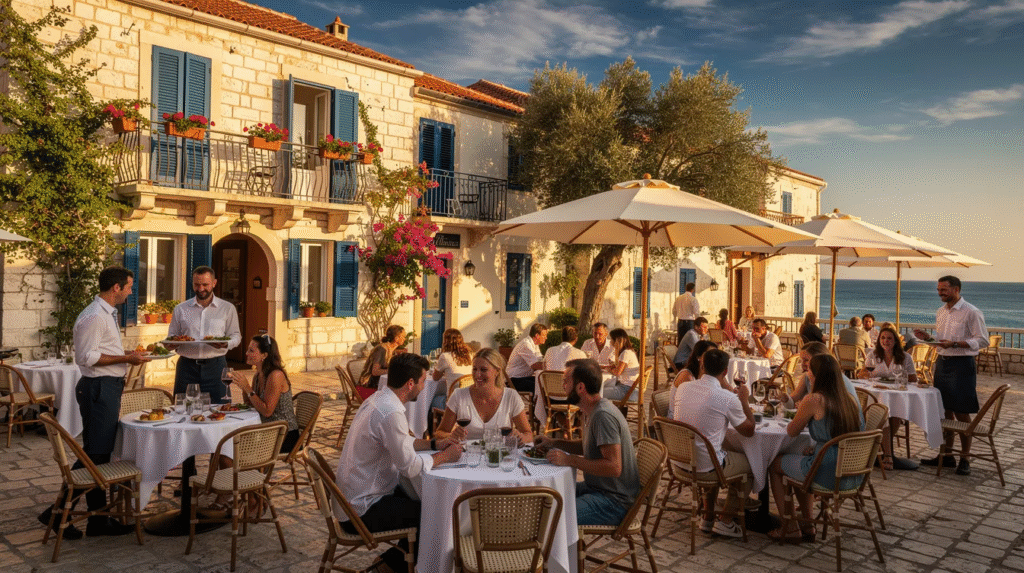
The cost of living in Cyprus is generally lower than in the UK, with expenses such as dining out and public transport being significantly cheaper, although some imported goods and electricity can be relatively expensive.
Housing costs (2026):
Location | 1-2 Bed Apartment | Small Villa |
|---|---|---|
Paphos | €600–€900/month | €900–€1,400/month |
Limassol | €900–€1,400/month | €1,400+/month |
Larnaca | €550–€850/month | €850–€1,200/month |
Housing is a significant expense, with rent for a one-bedroom apartment in a city center averaging €1,000. Renting property outside central areas offers significant savings.
Purchase prices:
Property prices in Cyprus are significantly lower than in the UK, with the cost of buying a home being up to 65% cheaper depending on location. The average price per square meter for property in Cyprus ranges from €1,300 to €5,000, with an average of around €3,050 in city centers and €2,270 outside city centers.
Average prices for 2-bed apartments: €150,000–€250,000 in Paphos, €250,000–€400,000 in Limassol outskirts, €200,000–€300,000 in Larnaca.
Monthly expenses:
Utilities: Basic services (electricity, water, waste) for a standard apartment average €120–€300, often peaking in summer due to air conditioning use
Groceries: A monthly budget of €200–€400 per person for groceries is typical in Cyprus, with local produce remaining affordable
Transport: €100–€200/month for a small car (fuel €1.60/litre, insurance €300/year)
Healthcare: Private health insurance €100–€200/month for retirees in their 60s–70s
Sample monthly budgets:
Lifestyle | Monthly Cost (Couple) |
|---|---|
Modest inland village | €1,450–€1,900 |
Comfortable coastal (Paphos/Larnaca) | €2,200–€3,000 |
Higher-end Limassol | €4,000+ |
Daily expenses in Cyprus are generally lower than in the UK, with a couple being able to live comfortably on approximately €1,500–€2,500 per month. Couples typically live comfortably in Cyprus on a budget of €1,500–€2,500 per month, with rents averaging €750–€950 for a one-bedroom apartment.
The cost of living in Cyprus is generally lower than in the UK, with a three-course meal for two costing around £43 in Cyprus compared to £50 in the UK. Monthly living costs in Cyprus are estimated to be around €880 for a single person and approximately €3,000 for a family of four before rent.
Saving money through buying property rather than renting property can reduce monthly costs by 20–30% over time, especially given the low cost of ownership compared to UK equivalents.
Best Places to Retire in Cyprus
The best location depends on your climate tolerance, desire for nightlife versus peace, proximity to airports, and property budget. Most uk retirees and many expats gravitate toward coastal areas with established English-speaking communities.
Coastal vs inland: Coastal areas (Paphos, Limassol seafront, Larnaca) offer milder winters and sea views. Inland villages around Troodos provide cooler summers and more traditional life at affordable cost.
Paphos: Classic Retiree Favourite
Paphos is a popular retirement destination in Cyprus, known for its large expat community and a variety of neighbourhoods, from lively tourist hotspots to traditional old towns.
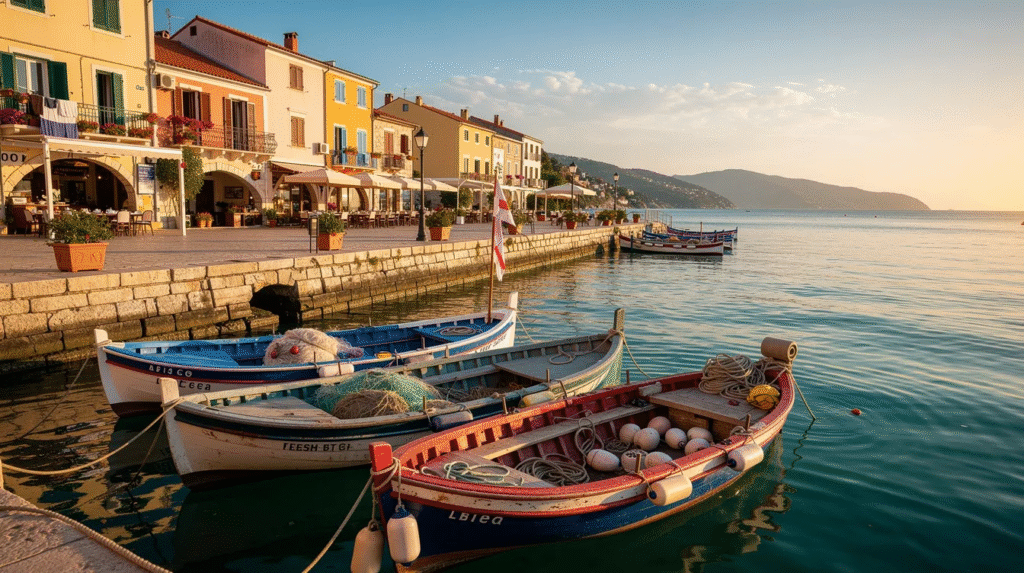
Areas: Kato Paphos (touristic, near harbour), Universal (apartment complexes), Paphos old town, and hillside villages like Tala, Peyia, and Tsada for cooler temperatures
Lifestyle: English-speaking doctors, dentists, lawyers; golf courses; archaeological sites with ancient history; social clubs and expat associations
Pricing: Generally cheaper than central Limassol; 2-bed apartments €180k–€280k to buy, rent €700–€1,100/month
Paphos offers reassurance for first-time retirees abroad with excellent amenities, private clinics, and regular bus connections.
Limassol: Urban, Lively, and Upmarket
Limassol, the second largest urban area in Cyprus, offers a blend of modern architecture and a historic center, making it an attractive place for retirees who enjoy both culture and leisure activities.
Who it suits: Retirees wanting urban, cosmopolitan living with access to high-end restaurants and cultural events
Neighbourhoods: Coastal tourist strip vs residential areas (Germasogeia, Agios Tychonas, and outskirts villages)
Pricing: Among the highest on the island; new seafront developments command premium prices
Downsides: Heavier traffic, more construction, higher costs compared to Paphos and Larnaca
Larnaca and the East Coast
Larnaca is described as a quieter, more authentically Cypriot city, ideal for retirees looking to escape the tourist crowds while enjoying beautiful beaches and a cosmopolitan atmosphere.
Lifestyle: Calmer than Limassol, with affordable apartments near the mediterranean sea, good cafés, and convenient airport access
Costs: Generally more affordable—rents €600–€1,000/month, a few streets back from Finikoudes seafront
East Coast towns: Protaras, Paralimni, and Ayia Napa offer stunning beaches and quieter off-season life, though services are more seasonal
CyprusMove.com can help you shortlist neighbourhoods based on your budget and whether you prefer sea views or village charm.
Village Life: Lania, Parekklisia, Pyrgos and Others
Many retirees choose villages around Limassol and Paphos for cooler evenings, views, and authentic mediterranean lifestyle at lower prices than major cities.
Lania: The village of Lania, located near the Troödos Mountains, offers retirees sunny weather and cooler temperatures during the summer months, along with easy access to Limassol’s amenities. Traditional stone houses, small artist community, about 20 minutes from Limassol.
Parekklisia: Parekklisia is a peaceful village close to Limassol, known for its authentic village living and a British retiree community that organises regular activities and events.
Pyrgos: Greenery, nature walks, and hiking trails; ideal for outdoorsy retirees; within easy driving distance of Limassol hospitals and shops.
Village life offers lower property prices and community feel, but requires a car and has fewer English-speaking services on your doorstep.
Buying Property in Cyprus as a Retiree
Many retirees prefer buying property over renting property to lock in housing costs and benefit from Cyprus’s inheritance rules. There are few countries with such favourable estate planning conditions.
To buy real estate in Cyprus, EU citizens face the same formalities as Cypriot citizens, while third country nationals must apply to the Council of Ministers for permission to purchase property.
Foreign nationals can own land in Cyprus, but non-EU citizens face restrictions, such as being limited to one house or apartment and a maximum of one acre of land. Non-EU investors using the €300,000 golden visa program must buy new (first-sale) property.
Key buying steps:
Choose region and property type (apartment vs villa)
Appoint an independent English-speaking lawyer (not the developer’s)
Reserve property and conduct legal due diligence (title search, planning permissions)
Sign contract of sale, pay staged payments, register contract at Land Registry
Purchase costs:
Transfer fees: 3–8% (sliding scale, max €180k cap)
VAT: 19% on new builds (5% reduced rate for primary home under €200k)
Stamp duty: 0.15–0.2%
Legal fees: €1k–€2k
Common pitfalls include off-plan projects with delayed completion and unclear title deeds. CyprusMove.com works only with vetted partners and lawyers to protect your property investment.
Note that obtaining cypriot citizenship requires many years of residence and is separate from permanent residency.
Healthcare in Cyprus
Good healthcare access is critical for retirees. The island’s healthcare system is generally good, but many expats opt for private insurance to avoid long wait times and have a wider choice of providers.
GESY (General Health System):
To access healthcare in Cyprus, residents must register with the Cyprus General Health System (GHS), which provides healthcare services at low costs or for free depending on contributions. Cyprus has a universal health insurance system known as GESY, which offers broad coverage for legal residents who contribute to the system.
UK retirees and S1 forms:
UK retirees can access the healthcare system in Cyprus using the S1 form, which entitles them to state healthcare paid for by the UK. Contact the uk government’s Overseas Healthcare Services before moving.
Private healthcare:
Many retirees in Cyprus choose private healthcare services to avoid long waits and ensure high-quality care. Private insurance typically costs €1,500–€3,000/year for retirees in their 60s–70s, with pre-existing conditions affecting premiums.
Major hospitals are located in Nicosia, Limassol, Larnaca, and Paphos—most village retirees are within 30–40 minutes of a hospital.
Practical tip: Bring medical records, check medication availability, and register with a local GP soon after arrival.
Pros and Cons of Retiring in Cyprus
A balanced view helps you decide if Cyprus fits your expectations.
Pros:
Warm climate with long summers and mild winters
Attractive pension tax regime (5% rate, no inheritance or gift taxes, non-dom advantages)
Lower cost of living than many Western european countries
English widely spoken and large expat community in key areas
EU legal framework, safe environment, good lifestyle infrastructure
Rich history and cultural heritage for exploration
Cons:
Very hot summers, especially inland—challenging for some health conditions
Public transport availability is limited outside major cities in Cyprus, making car ownership necessary
While Cyprus offers beautiful landscapes and a high quality of life, it also has drawbacks such as limited public transport options and potential bureaucratic delays, which can be frustrating
Seasonal tourism in some areas leads to crowded summers and quieter winters
Cyprus is excellent for many retirees but not perfect. The goal is long-term satisfaction, not a holiday fantasy. Before you visit cyprus for an extended stay, consider whether the summer heat and car dependency fit your lifestyle.
Step-by-Step: How to Retire in Cyprus
1. Research and visit
Visit Cyprus for 1–3 weeks in different seasons (ideally including late summer)
Shortlist 2–3 regions based on budget, climate, and community preferences
2. Decide on residency route
Assess whether Pink Slip, Category F, or investment-based permanent residency matches your income and property plans
Consider renting first for 6–12 months before buying property
3. Secure accommodation
Find a long-term rental or reserve a property to buy
Ensure you have a contract or title deed in your name for residency applications
4. Organise finances
Open a Cyprus bank account with passport, proof of address, and reference letters
Arrange regular pension transfers, considering FX rates and costs
5. Prepare documents
Gather apostilled copies of passports, birth certificates, marriage certificates, pension letters, bank statements, and criminal record certificates
6. Apply for residency
Book appointment with civil registry and migration department
Submit application with all residency documents and fees
Attend biometrics appointment and await decision for your permanent residence card or temporary permit
7. Settle practicalities
Register for healthcare (GESY or private health insurance)
Exchange uk driving licence within 6 months if required
Register for tax and obtain a Cyprus tax identification number
CyprusMove.com can guide you through each step, including property search, legal coordination, and cypriot government paperwork.
FAQs About Retiring in Cyprus
Is Cyprus a good place to retire?
Yes. Retiring in Cyprus offers a mix of Mediterranean lifestyle, significant tax benefits, and a large English-speaking community. Established healthcare, low crime, and EU protections make it popular with UK retirees and British citizens.
How much money do you need to retire in Cyprus?
Couples typically need €1,500–€2,500/month for comfortable living. For residency, Pink Slip requires ~€24,000/year income, Category F requires €9,568/year minimum, and investment PR requires €50,000/year plus €300,000 minimum investment.
Can foreigners retire in Cyprus?
Yes. Both EU citizens and non-EU citizens can retire there. Non-EU UK nationals need a residence permit (Pink Slip, Category F, or investment PR). There is no specific retirement visa, but these routes serve the same purpose.
What are the tax benefits for retirees in Cyprus?
Foreign pension income is taxed at 5% on amounts over €5,000. Non-dom status exempts worldwide dividends and interest for up to 17 years. There are no inheritance or gift taxes, and you may pay tax only in Cyprus under the double taxation agreement.
Is healthcare free in Cyprus?
GESY provides healthcare at low cost for contributing residents. UK pensioners may qualify via S1 form for UK-funded healthcare. Many retirees take additional private health insurance for faster access to services.
Can I bring my pet when I retire to Cyprus?
Yes. Pets must be microchipped, vaccinated against rabies, and have an EU/UK export health certificate. Regulations for pet travel may differ between EU countries and non-EU countries, so travelers should consult official sources. Always check current requirements with the Cyprus government for official pet travel regulations before travel.
Can UK citizens retire in Cyprus?
Yes, UK citizens can retire in Cyprus. For the most up-to-date and official guidance on relocating, retiring, and accessing healthcare in Cyprus, refer to the UK government’s resources and advice.
Final Thoughts: Is Cyprus Right for Your Retirement?
Cyprus offers a compelling mix of sunshine, tax efficiency, safety, and community—but the decision should factor in heat tolerance, reliance on a car, and willingness to handle some bureaucracy. The mediterranean lifestyle suits those who enjoy outdoor living, social cafés, and a slower pace.
Match your expectations to reality before committing. Visit in summer, explore different areas, and run the numbers on your pension income and living costs.

CyprusMove.com is here to help you plan your retirement in Cyprus with confidence. Contact our team for a personalised assessment covering location, budget, and residency route. Browse our curated selection of retirement-friendly properties in Paphos, Limassol outskirts, Larnaca, and selected villages. We can also connect you with English-speaking lawyers and tax advisers for a safe, compliant move.
Whether you’re ready to relocate or just beginning to explore, CyprusMove.com is your long-term partner in planning, moving, and settling into your new life on this mediterranean island.



1 Comment
Comments are closed.