Cyprus offers families a rare combination: a safe, sun-drenched Mediterranean lifestyle with strong English-language schools, modern healthcare and an established expat community. But relocating with children involves more than booking flights. You need to understand residency rules for dependants, choose the right school, arrange health insurance and find a neighbourhood that works for your whole family. This guide walks you through every stage.
Quick answers if you’re planning a move right now
Yes, you can move to Cyprus with your children. UK families, EU citizens and other foreign nationals can usually include dependent children on their Cyprus residency, but the exact process depends on your route – whether that is employment, self-employment, permanent residence by investment, family reunification or a digital nomad visa.
EU citizens moving to Cyprus with family follow simpler registration rules, but should still plan schooling and healthcare before arrival. For non-EU citizens, including most British citizens post-Brexit, children are typically added as dependants on the main applicant’s residence permit, provided age and income conditions are met; because Cyprus is not part of the European Free Trade Association, UK families do not use an EFTA-style route and must follow Cyprus’s national immigration rules.
Cyprus is generally considered a safe, family-oriented place to raise children. It ranks 13th in the world for safety, has a modern national health system (GESY) alongside private options, and offers a wide choice of private and international schools. That said, immigration rules change – always check the latest guidance from the Cyprus civil registry and migration department before making decisions.
The rest of this guide covers visas for children, schools, healthcare, housing, daily life and a practical pre-move checklist.
Why families choose Cyprus when moving with children
Cyprus appeals to UK and international families for several overlapping reasons – climate, language, education continuity and a cost of living that is generally lower than back home.
-
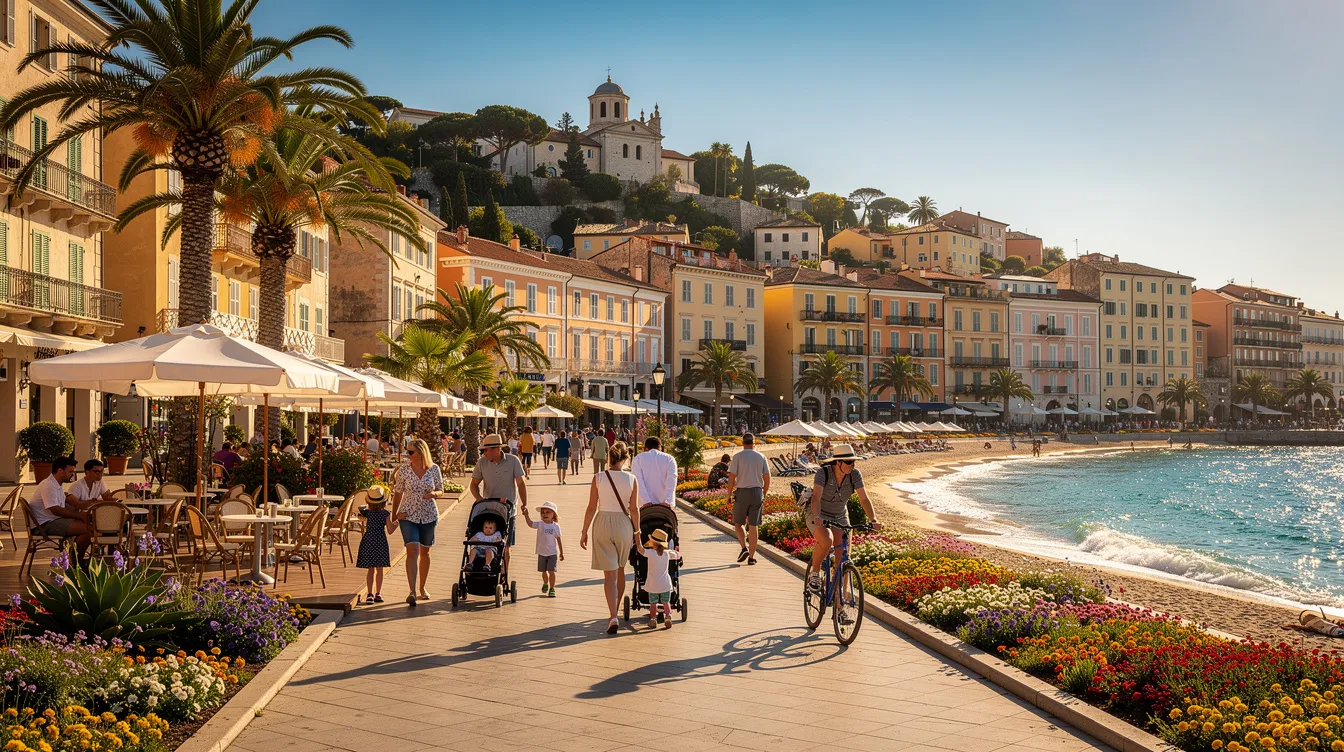
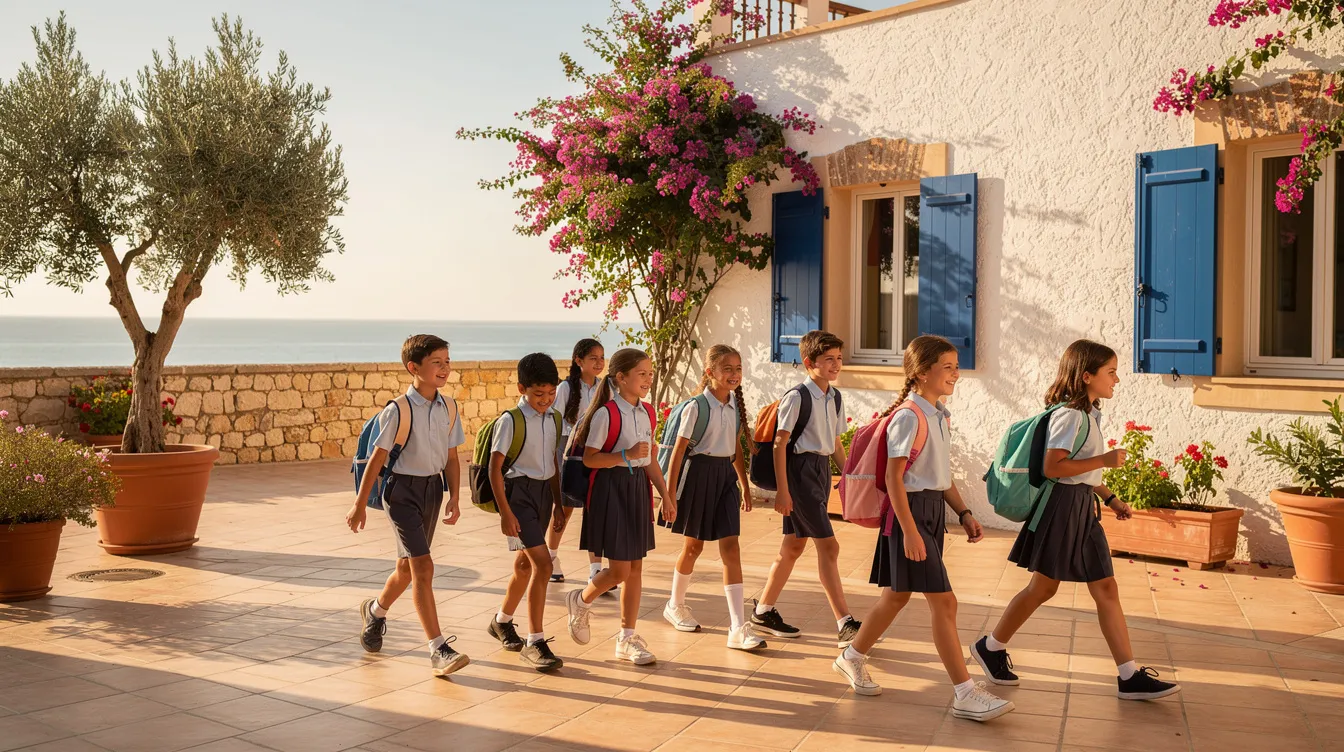
Safety. Cyprus has consistently low crime rates and a family-oriented community. It is regularly cited as one of the safest countries in Europe for families, and many parents find children can walk to school safely.
-
Climate and lifestyle. With over 300 sunny days per year, child-friendly outdoor activities are part of daily life – beaches, hiking, playgrounds and year-round outdoor activities. UNESCO World Heritage Sites like the Tombs of the Kings make weekend trips genuinely educational.
-
Education. International schools following the British curriculum and International Baccalaureate are available across major cities, offering continuity for families planning a mid-GCSE or A-Level move.
-
Cost of living. Overall living costs sit below the UK average, though rents and school fees in Limassol can be significant compared with Paphos or Larnaca.
-
Tax and work. Cyprus offers an attractive tax environment in a stable European country, including low taxes for certain professionals and tax benefits for new residents. Many families relocate as remote workers or entrepreneurs for tax or lifestyle reasons, especially when Cyprus compares favourably with other European countries.
-
Community. Established UK and Northern European expat families live in Paphos, Limassol, Larnaca and Nicosia. This helps younger children and teenagers integrate quickly through school, clubs and social events.
At CyprusMove.com, we work with families planning relocations every week and understand what matters most – schools, neighbourhoods, healthcare and paperwork.
Residency and dependant rules for children
Immigration rules in Cyprus are updated regularly. This section gives an overview – always confirm current requirements with official Cyprus government sources.
-
EU citizens register children under EU free movement rules (MEU1/MEU3 registration certificate process). This is relatively straightforward.
-
Non-EU/UK families use national immigration schemes. Children are usually included as dependant family members – spouse plus unmarried minor children – on the main applicant’s permit.
-
Age thresholds. Most routes treat children under 18 as dependants. Some routes extend this to children under 21 or those in full-time education, but you should verify this for your specific permit type.
-
Different routes, different rules. A work residence permit, self-employment permit, permanent residency by investment, family reunification or temporary residence permit may each have different documentary and income requirements when adding children.
-
Investment routes. Permanent residence by investment allows family members, including dependent children, to be added if the main applicant meets minimum investment and income conditions. Adult children over 18 may require higher investment thresholds.
-
UK nationals under the Withdrawal Agreement. If you lived in Cyprus before 1 January 2021, your children and certain family members may retain Withdrawal Agreement rights. See our guide on whether UK citizens can still move to Cyprus after Brexit for more detail.
-
Processing times. Obtaining a residence permit typically takes about 4–6 weeks, though this can vary.
A tailored review of your family’s situation – nationalities, income, ages of children – is usually needed to choose the most appropriate residency route. Professional advice at this stage can save months of delays.
What happens as children approach 16 and 18 on Cyprus residency
Parents often worry about what happens to their child’s dependant status as they grow up.
-
Teenagers (15–17). Generally still treated as dependants while in full-time secondary education. Some routes may require updated documentation – school enrolment letters, exam registrations – as the child’s age increases.
-
Turning 18. Once a child turns 18, they may need to qualify as a dependant student or apply for their own residency category. This depends entirely on the permit type and whether they remain in full-time education.
-
Planning ahead. If your teenager is 16 or 17, start considering university plans (Cyprus, UK, other EU countries or elsewhere) and how this interacts with their Cyprus residence status.
-
Complex cases. Rules for adult dependent children – those in full-time higher education, or with disabilities – can be more complex and often require professional advice.
Never assume children are automatically covered until graduation. Check your specific permit conditions and seek up-to-date guidance from the migration department.
Documents children may need when relocating
Exact requirements depend on nationality and residency route, but most families need the following:
-
Passports. Valid passports for each child, ideally with at least six months’ validity remaining on arrival.
-
Birth certificates. Long-form birth certificates showing parents’ names. Adoption or guardianship documents where relevant.
-
Parental responsibility. For separated or divorced families: custody orders, parental responsibility documents and consent letters from non-relocating parents.
-
Civil status. For older teenagers, evidence of unmarried status may occasionally be requested.
-
Education documents. Recent school reports, reference letters, vaccination certificates required by schools, and any SEN or learning-support assessments.
-
Translation and legalisation. Documents not in Greek or English usually require certified translation. Many foreign documents need an apostille – document preparation and legalisation in the UK can take several weeks, so start early.
CyprusMove.com can help you build a customised documents list based on your chosen residency route and school plans.
Police / ACRO certificates and when children need them
A police certificate (ACRO certificate for UK nationals) confirms a person’s criminal record status. Cypriot authorities and some schools may request one.
-
Adults. Parents applying for residency permits almost always need a police certificate. UK nationals use an ACRO Police Certificate; other nationalities use their own national police clearance.
-
Children. Younger children normally do not need police certificates. There is typically an age threshold – often mid-teens or adulthood – above which a certificate is required, depending on the immigration category.
-
Verify current rules. Check the minimum age and validity period on official Cyprus migration resources, as these can change.
-
Schools. Some international schools may ask for safeguarding documentation for parents or guardians – a recent police certificate can serve as useful evidence.
-
Timing. Apply early. ACRO certificates can take several weeks to arrive and sometimes must be less than three or six months old at the time of your application.
CyprusMove.com can coordinate timing so police certificates remain valid through visa, residency and school enrolment processes.
Understanding the Cyprus education system
Cyprus has a structured education system combining public, private and international schools.
-
Pre-primary. Public pre-schools are free from age 4 years and 8 months. Private nurseries accept younger children.
-
Primary. Ages roughly 6–11, covering six years of primary education.
-
Lower secondary (Gymnasium). Ages roughly 12–15, three years.
-
Upper secondary (Lyceum or technical). Ages roughly 15–18, three years.
Public schools in Cyprus offer free education for ages 5 to 18, with Greek as the primary language of instruction. Schooling is mandatory for children aged 5 to 15. Private and international schools follow the British curriculum, American curriculum or International Baccalaureate.
School hours often start earlier than in the UK, and the summer holiday is longer (typically 10–12 weeks). This affects family routines – more on that in the daily life section below.
|
UK Year Group |
Approximate Age |
Cyprus Equivalent |
|---|---|---|
|
Reception |
4–5 |
Pre-primary |
|
Year 1–6 |
5–11 |
Primary (Dimotiko) |
|
Year 7–9 |
11–14 |
Lower Secondary (Gymnasium) |
|
Year 10–11 |
14–16 |
Upper Secondary (Lyceum) |
|
Year 12–13 |
16–18 |
Upper Secondary (Lyceum) |
Public, private, British and international schools
Expat families in Cyprus generally choose between three options:
-
Public schools. Free tuition, instruction in Greek. Best suited for younger children or families committed to long-term cultural integration into Cypriot society. Limited support for non-Greek speakers in some areas.
-
Private schools. Often bilingual or English-medium, with a mix of Cypriot and foreign students. Private schools in Cyprus often follow the British curriculum or International Baccalaureate, and fees tend to be lower than top international schools.
-
International schools. International schools in Cyprus primarily teach in English and follow global curriculums – GCSEs, A-Levels, IB Diploma or American programmes. Limassol offers the widest range of international schools, with strong options also in Paphos, Nicosia and Larnaca.
For UK families moving mid-GCSE or A-Level, British curriculum continuity is often the deciding factor. Be aware that popular schools may have waiting lists, and entrance assessments are common. Apply 3–6 months in advance where possible.
Many international schools offer bus services, after-school clubs, and learning support – particularly helpful for children enrolled in a new education system for the first time.
Choosing and applying for a school
Start planning 6–9 months before your move:
-
Research. Shortlist schools based on curriculum, location, inspection reports, university destinations, class sizes and language support.
-
Timing. Align your move with the September school year start if possible. Mid-year enrolment works but is harder, especially for senior forms.
-
Admissions. Typical requirements include application forms, recent school reports, entrance tests in English and maths, and interviews (in person or online). School fees vary by the child’s age, city and curriculum – median fees across Cyprus sit around €9,350, with lower and upper ranges depending on the school.
-
Documents for schools. Passport copies, immunisation records, previous school transcripts and, where relevant, SEN reports.
-
School before housing. In high-demand cities like Limassol, secure school places first, then choose housing within practical distance.
CyprusMove.com helps families coordinate property viewings around shortlisted schools, using bus routes, commute times and after-school activities to narrow down neighbourhoods.
Language considerations for children
English is widely spoken across Cyprus, especially in expat hubs and international schools. Most international schools teach entirely in English and support non-native speakers with EAL lessons.
Learning Greek gives children a significant advantage for social integration, local friendships and navigating public services. Many international schools offer Greek as a subject from early years, and local language tutors are easy to find.
For bilingual families – particularly Russian, Ukrainian and other language communities sizeable in Limassol and Larnaca – children can often maintain their home language alongside English and Greek.
If your child is anxious about language, consider taster days at the new school, buddy systems, and starting with language apps before arrival. Most children adapt faster than parents expect.
Healthcare for children: GESY, private cover and health insurance
Cyprus has a national health system (GESY) plus private healthcare, so plan access to medical care through both before moving.
-
GESY basics. The General Healthcare System provides family doctors, paediatricians, hospital care and most routine services. Children must be registered in GESY. GESY covers routine check-ups and vaccinations at low or no cost, with an annual co-payment ceiling for children of approximately €75.
-
Contributions. Public healthcare in Cyprus is funded through the General Healthcare System (GHS). Parents contribute 2.65% of their salary to the GHS – there are no separate per-child premiums. Once properly registered, eligible residents can access public healthcare on a similar basis to Cypriot citizens.
-
Private healthcare. Private health insurance offers faster access to paediatric specialists and English-speaking doctors at private clinics. Many expat families keep private cover alongside GESY for this reason, and healthcare quality at private facilities is generally high.
-
Before you move. Arrange health insurance for all family members before arrival – many residency routes require proof of comprehensive cover. Gather medical records, vaccination histories and care plans for children with long-term conditions.
CyprusMove.com can introduce families to English-speaking doctors and insurers, and explain how to register children with a local GP or paediatrician soon after arrival.
Housing and best areas of Cyprus for families
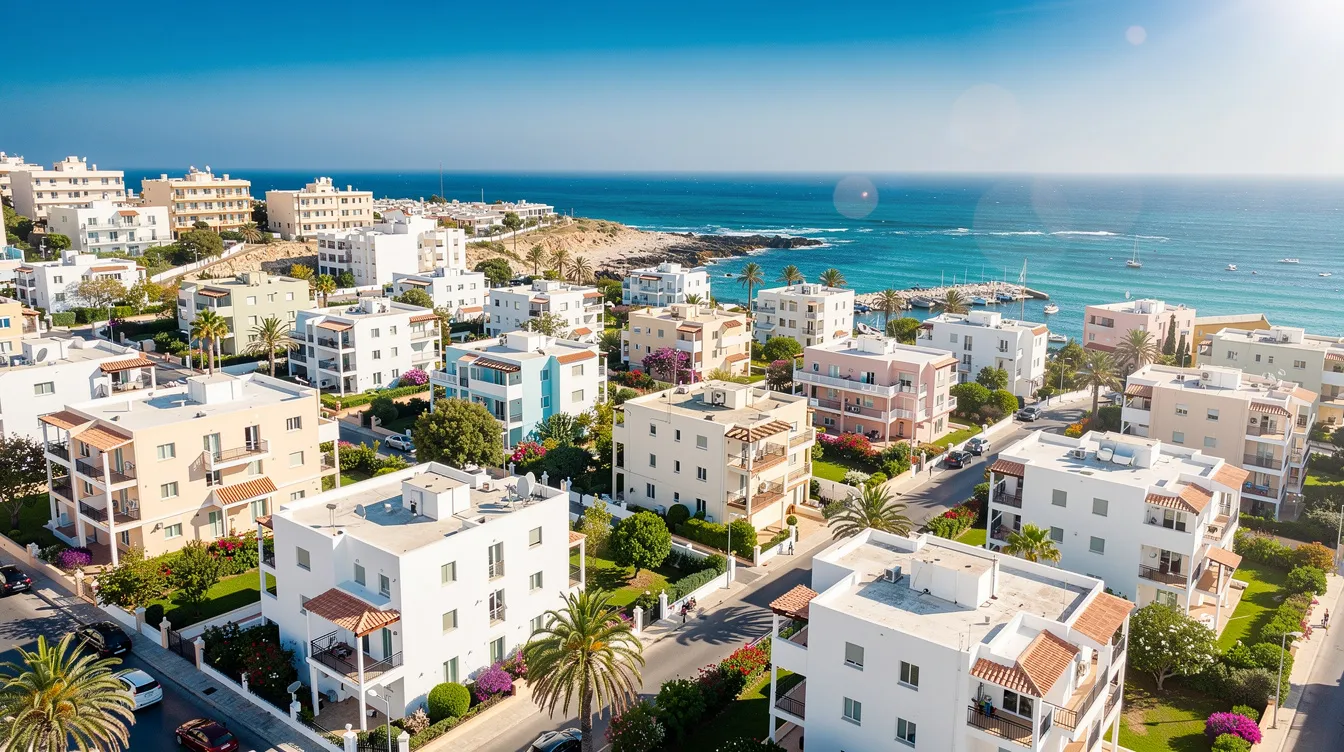
Choosing the right city and neighbourhood is one of the biggest decisions when moving to Cyprus with children. Major family-friendly locations include Paphos and Limassol.
-
Limassol. The strongest job market, largest range of international schools and a cosmopolitan lifestyle. Limassol is known for having the largest international community in Cyprus. However, high rental costs can be expected – renting a one-bedroom apartment starts from €550, with family-sized homes considerably more.
-
Paphos. Very popular with UK families. Paphos has a high percentage of foreign residents at 38% (some estimates place the broader foreign resident population as high as 63%). More affordable housing, a relaxed coastal lifestyle and a strong community feel. See our full guide to relocating to Paphos.
-
Larnaca. International airport access, a growing expat community, improving international school options and moderate rents make it attractive for a young family. Explore Larnaca and Limassol in more detail.
-
Nicosia. The capital city offers strong employment and some top schools, but lacks the coast. Nearby villages offer quieter family living.
Typical housing ranges from apartments in city centres to houses with gardens in suburbs. The average sale price per square metre across Cyprus is around €2,600, though this varies by area. Families should consider renting first – six to twelve months is common – before buying property, to properly test an area’s fit with school runs, commute times and family routines.
Cost of living in Cyprus for a family
The affordable cost of living compared with the UK is a key draw, but it varies by city and lifestyle. Families moving to Cyprus may want to budget for various living costs beyond housing.
-
Housing. Rent is normally the largest expense. Paphos and Larnaca are more affordable than central Limassol.
-
Schooling. International school fees typically range from about €5,500 at primary level to €14,000+ for senior years, depending on city and curriculum. Add registration fees, uniforms, transport and after-school clubs.
-
Healthcare. GESY contributions are salary-based. Optional private health insurance premiums vary – get up-to-date quotes for your family size before committing.
-
Everyday spending. Groceries and eating out generally cost less than in a mid-sized UK city. Utilities can spike in summer due to air-conditioning. A car is essential for most families (more on transport below). The minimum wage in Cyprus is lower than in the UK, which affects some service costs.
-
One-off costs. Budget for shipping (air freight takes about 3 days for small loads; sea freight takes 2–4 weeks for a full container), rental deposits and school application fees.
If you receive a UK state pension or income from other EU countries, factor in exchange rates and Cyprus tax residency rules when planning your financial situation.
Childcare services, leisure activities and transport
These three elements shape daily life for working parents in Cyprus.
-
Childcare. Public and private nurseries, kindergartens and after-school clubs serve various age ranges. Private childcare services – nannies, childminders, holiday clubs – are available, with prices varying by city and language requirements. Apply early for popular settings.
-
Leisure activities. Cyprus offers a variety of outdoor activities year-round. Major towns feature active sports clubs (football, swimming, sailing, dance, martial arts) and seasonal water parks. Beaches, nature trails and family friendly trails are accessible across the island. Child-friendly outdoor activities in Cyprus include beaches and hiking – though be aware that summer temperatures are intensely hot, affecting outdoor routines from June to September.
-
Daily rhythm. School days often start early. Some areas retain a relaxed Mediterranean pace with an afternoon siesta culture, which shapes children’s homework and activity schedules.
-
Transport. Families often need cars for daily transportation in Cyprus. Public transport is minimal outside major urban centres. The good news for UK families: Cyprus drives on the left. School bus services are offered by many international schools, which simplifies logistics. Cyprus is outside the Schengen countries, so trips to the rest of Europe follow separate border rules even though regional flights are convenient. In some areas, children can walk to school safely, and safe cycling routes are expanding.
Pets entering Cyprus must be microchipped and meet EU pet passport requirements – plan this alongside your family move. See our guide to moving furniture and personal effects for shipping logistics.
Everyday family life in Cyprus
Cypriot society is genuinely family-oriented. Children are welcome in restaurants, cafés and family gatherings – late dinners with kids in tow are perfectly normal.
-
Social integration. Children often make friends quickly through school and clubs. Parents meet other families at school gates, sports teams and community groups. The extended family culture in Cyprus means neighbours and local families tend to be welcoming.
-
Culture and traditions. Local festivals, national holidays and village events are a great way to help children understand Cypriot culture. Involvement in these builds belonging faster than anything else.
-
Work–life balance. Typical working hours are similar to the UK, but the slower “siga-siga” pace outside work feels different. Many parents working remotely from Cyprus find the balance improves significantly.
-
Teenagers. Teens can meet friends in safe public spaces. Part-time jobs become available from around 16. Northern Cyprus is accessible for day trips, though it operates under a different administration.
Most families find the first few months an adjustment. Once schooling, routines and friendships are in place, children typically adapt faster than their parents.

Practical pre-move checklist for moving to Cyprus with children
6–9 months before:
-
Research residency routes and confirm eligibility for the whole family; if you’re moving from the UK post-Brexit, remember Cyprus is not part of the european free trade association, so verify the national rules that apply to your children
-
Start gathering and apostilling documents
-
Begin shortlisting international schools and public education options
-
Seek professional advice on your financial situation and residency route
4–6 months before:
-
Submit school applications
-
Request police/ACRO certificates where needed
-
Start to arrange health insurance options
-
Plan finances, including school fees and deposits
2–4 months before:
-
Visit Cyprus to view schools and neighbourhoods if possible
-
Shortlist housing
-
Prepare children emotionally – discuss the move, show photos, involve them in decisions
1–2 months before:
-
Finalise rental agreement
-
Book flights
-
Choose a shipping option (air freight for essentials, sea freight for the rest)
-
Notify current schools and doctors
-
Arrange pet relocation if relevant (microchipping, EU pet passport)
Final weeks:
-
Prepare a “first week” essentials box
-
Confirm airport transfers
-
Print copies of all key documents
-
Schedule initial appointments in Cyprus – residency submission, school enrolment, GP registration
CyprusMove.com can provide a tailored version of this checklist aligned with your chosen city, school and residency path. Contact us for a personal consultation.
Frequently asked questions about moving to Cyprus with children
Can I move to Cyprus with my children? Yes. UK and non-EU families can include dependent children on most residency routes, provided they meet the income, investment or employment conditions of their chosen permit. EU citizens follow simpler registration processes. Always check the latest rules from the Cyprus migration department.
Can my children be dependants on my Cyprus residency? In most routes, unmarried minor children (under 18) are included as dependants. Some schemes extend this to children under 21 or those in full-time education. The rules vary by permit type, so verify for your specific situation.
Does a child need an ACRO or police certificate for Cyprus? Younger children usually do not. There is typically an age threshold – often mid-teens or adulthood – above which a certificate is required. This depends on the immigration category, so check official guidance.
Can a 16-year-old be a dependant in Cyprus? Generally yes. Teenagers in full-time secondary education are treated as dependants under most residency routes. Documentation requirements may increase as the child’s age approaches 18.
What happens when my child turns 18? They may need to qualify as a dependant student or apply for their own residency. Planning ahead – especially around university choices – is essential. Cypriot citizenship or permanent residence applications may also become relevant depending on length of stay.
Are there English-speaking schools in Cyprus? Yes. International schools across Limassol, Paphos, Nicosia and Larnaca teach in English, following British curriculum, IB or American curriculum programmes. Limassol has the widest selection.
Is Cyprus a good place to raise children? Cyprus is widely regarded as one of Europe’s safest countries, with low crime, a strong education system, a modern national health system and a family-oriented culture. Living in Cyprus offers children an outdoor lifestyle that is hard to match in northern Europe.
How much does it cost for a family to live in Cyprus? This depends heavily on city and lifestyle. A family of two kids in Paphos will spend significantly less than in central Limassol. Major costs are housing, school fees (if using private or international schools), healthcare and transport. Overall, most families relocate from the UK and find their living costs are lower, though not dramatically so if they choose premium schools and housing.
How CyprusMove.com supports your family relocation
CyprusMove.com specialises in Cyprus family relocation for UK and international clients. We help families moving to Cyprus navigate the practical stages so that nothing falls through the cracks.
-
Residency and immigration. We analyse the best route for your whole family, prepare document checklists, coordinate with immigration professionals and track deadlines.
-
Schools and education. We help shortlist international schools, arrange visits and assessments, and advise on British curriculum versus other options based on your children’s ages and plans.
-
Housing. We recommend family-friendly areas, coordinate with trusted property partners and align searches with school locations – whether you are renting or buying property.
-
Healthcare and daily life. We assist with arranging health insurance, registering with doctors, and explaining practicalities like driving, banking and registering children for activities.
Moving to Cyprus with children takes planning, but the reward is a lifestyle most families find hard to beat. Contact CyprusMove.com for a personalised relocation plan – and give your family the smoothest possible start.