Executive Summary
Cyprus has emerged as one of the most attractive Mediterranean bases for digital nomads in 2026, combining over 320 days of sunshine annually with robust infrastructure and genuine safety. The island offers everything remote professionals need: EU membership with Euro currency, widespread fibre internet averaging 56 Mbps nationally (with peaks of 300-500 Mbps in larger cities), and English spoken widely in business centers and coastal areas.
CyprusMove.com directly supports digital nomads with both cyprus digital nomad visa applications and finding mid-to-long-term accommodation. We handle eligibility checks, document preparation, immigration appointments, and source vetted rentals with verified high speed internet near coworking spaces.
Expected monthly budgets for a single nomad in 2025 range from €1,400 to €2,200 in major cities, depending on lifestyle choices and location. Limassol sits at the higher end as a more expensive city, while Nicosia and Larnaca offer budget friendly alternatives. This guide covers lifestyle appeal, best cities, realistic costs, internet reliability, community building, and exact visa pathways with practical steps to relocate.
Introduction: Why Cyprus Works So Well for Digital Nomads
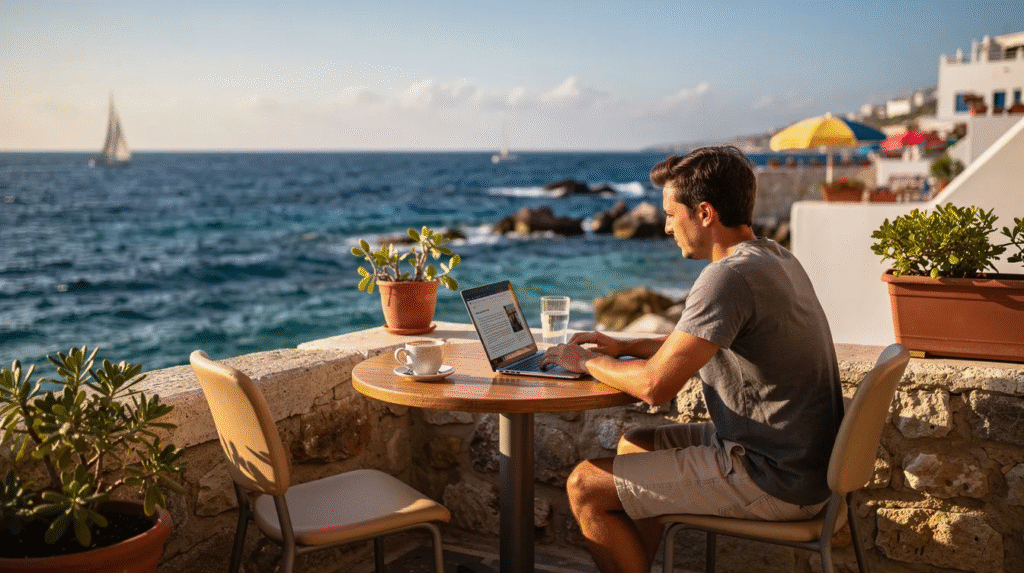
Picture finishing a video call with clients abroad from a beachfront café in Limassol, closing your laptop, and swimming in the Mediterranean ten minutes later. This is everyday reality for many digital nomads who have made Cyprus their base in 2025.
The island sits at a strategic location at the crossroads of Europe, the middle east, and north africa, with direct flights from Larnaca Airport to London (4 hours), Athens (1.5 hours), and Dubai (4 hours). The relaxed “siga siga” (slowly, slowly) lifestyle contrasts sharply with high-pressure big-city living in western europe, while modern infrastructure and coworking spaces keep productivity high.
Important distinction: the Republic of Cyprus (EU-governed south) is where the digital nomad visa applies and modern amenities exist. North cyprus (Turkish-administered) operates under different rules—EU visas don’t apply there and infrastructure lags. For legal remote work stays, focus on the south.
CyprusMove.com positions itself as your relocation partner, helping remote workers turn short scouting trips into fully legal, longer stays with proper documentation and suitable housing.
The Allure of Cyprus for Digital Nomads
Cyprus increasingly appears on “best digital nomad destinations” lists for good reason. The island offers a unique blend of European standards with Mediterranean warmth.
Geographic appeal stands out immediately. Only a 1-hour time difference to Central Europe in winter (2 hours in summer) makes scheduling calls with EU and UK remote teams simple. The mediterranean climate delivers average summer highs of 30-35°C from June to September, with mild winters around 15-20°C on the coast. January-February brings the rainiest period, but even then, conditions remain workable.
Natural highlights include:
Blue Flag beaches in Ayia Napa and Protaras with stunning beaches and crystal clear waters
The troodos mountains offering winter snow and hiking trails through brilliant vineyards
Akamas Peninsula for serious hikers and nature enthusiasts
Beautiful sands along the entire southern coast
Safety reassures solo travellers and women digital nomads—Cyprus consistently ranks among Europe’s safest nations with low violent crime rates and walkable city centers. Cultural richness adds depth: UNESCO sites in Paphos, historic old towns in Nicosia and Limassol, and a mix of Greek, Turkish, and British influences in language, food, and daily life give the island a rich history worth exploring.
Best Places to Live and Work in Cyprus
Different cities suit different nomad profiles. Nightlife seekers, budget-conscious workers, families, and those wanting quiet nature each have optimal choices among the cities mentioned here.
CyprusMove.com matches digital nomads with accommodation across these specific locations, from serviced apartments near co working spaces to quieter suburban rentals.
Limassol: Cosmopolitan Seaside Hub
Limassol functions as the most international and business-oriented city, with a large expat community, tech and shipping companies, and many English-speaking locals. The vibrant café culture means nearly every cafe welcomes laptop workers.
Popular areas include:
Molos promenade (seafront walking path)
Old Port/Marina area with upscale dining
Germasogeia (Tourist Area) with many cafés and coworking options
Rent in 2025 for a modern one bedroom apartment near the seafront runs €1,000-€1,300 monthly, with older flats in non-central areas slightly cheaper. Coworking spaces like The Hub and Regus locations provide meeting rooms, printing services, and quiet workspaces with fibre connections reaching 300-500 Mbps.
Limassol suits higher-budget nomads wanting city buzz, networking opportunities, beach walks, and easy access to international events.
Nicosia: Authentic Urban Capital
The capital city offers a vibrant café scene, museums, and the unique experience of crossing the Green Line checkpoint into northern cyprus on foot. Living in cyprus here feels genuinely local rather than resort-like.
Rents run lower than Limassol: €650-€900 monthly for a central one bedroom apartment, with even cheaper options in outlying districts. Many digital nomads work from specialty coffee shops in the old town and near university areas. Public libraries also provide quiet workspaces for focused work.
Nicosia sits inland and can be hotter in summer, but offers a deeply authentic, year-round lifestyle. Position it as ideal for long-term nomads prioritizing culture, affordability, and integration over direct beach access.
Larnaca: Chill Beach Town with an Airport
Larnaca hosts the island’s main international airport with frequent year-round flights to cities like London, Vienna, and Athens—convenient for frequent flyers or those with many remote workers on their teams needing occasional face-time.
The relaxed vibe centers on Finikoudes seafront promenade with palm trees, nearby Mackenzie Beach with beautiful beaches, and a compact city center with many cafes suitable for working. Rent estimates for 2025: €700-€1,000 for a decent one bedroom apartment close to the seafront, cheaper options further inland.
Fewer coworking spaces exist here than in Limassol, but reliable internet in most central buildings means many nomads work from home and beach cafés. A good balance between cost, airport access, and a slower pace for solo nomads or couples.
Paphos and the West Coast
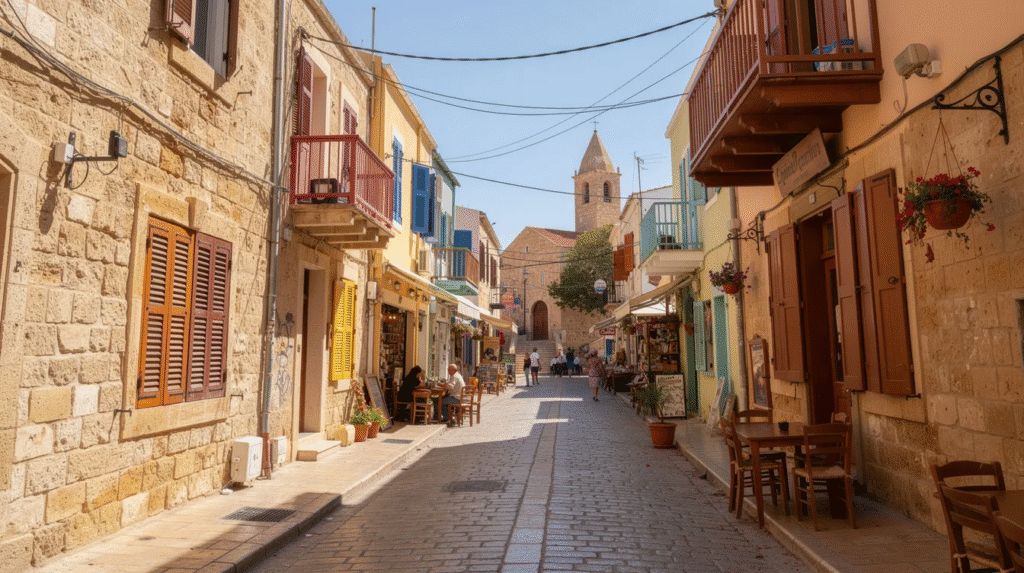
Paphos presents a UNESCO-listed historic town with archaeological sites, a pretty harbour with mountains harbour views, and an established expat community of British and European retirees. Wine lovers will appreciate the nearby Commandaria region.
Quieter and more laid back than Limassol, with lower rents outside peak summer—roughly €600-€900 monthly for a one bedroom apartment in 2025. Coworking spaces and café options exist, but many digital nomads choose villas or apartments with good home internet and work mostly from there.
Nearby nature makes Paphos shine: Akamas Peninsula, Coral Bay, and troodos mountains hiking within a couple hours’ drive. Ideal for outdoor-loving remote professionals, long-term nomads, and couples seeking weekend nature escapes.
Ayia Napa, Protaras and the East Coast
Ayia Napa and Protaras are famous for clear turquoise waters and some of Cyprus’s best beaches, including Nissi Beach and Fig Tree Bay. Grab a shade umbrella and work with your toes in the sand.
Strong seasonality applies: very busy from roughly May to October, then much quieter in off-season months when some establishments close. Rent fluctuates accordingly—higher prices July-August, but attractive off-season deals with one bedroom apartment options sometimes available from €500-€700 monthly in winter.
Dedicated coworking options are limited here, so most nomads rely on home internet and a handful of laptop-friendly cafés. This region suits sun-seeking nomads following tourist seasons or those wanting a winter base with ultra-quiet surroundings and discounted accommodation.
Cost of Living for Digital Nomads in 2025
The cost of living in Cyprus falls below major western europe capitals while exceeding some Balkan or Asian hubs. Monthly budgets for a single nomad break down into three tiers:
Tier | Monthly Budget | What’s Included |
|---|---|---|
Lean | €1,200-€1,500 | Basic one bedroom apartment (€600-800), home cooking, public transport |
Comfortable | €1,600-€2,000 | Modern apartment, coworking membership (€150-250), occasional dining out, scooter rental |
Upscale | €2,000+ | Premium housing with sea views, frequent activities, events, car rental |
Everyday prices in 2026:
Cappuccino: €3-€4
Lunch in a local taverna: €10-€15 (restaurants serve excellent meze)
Intercity bus tickets: €4-€9 one way
Basic gym membership: €40-€60 monthly
Utilities with summer A/C: €100-200 monthly
Seasonal price differences hit rent and car hire hardest. Lock in longer leases outside July-August if staying 6-12 months. Many shopping malls and food courts offer affordable meal options in city centers.
CyprusMove.com helps arrivals compare real-world rental options across districts and avoid overpaying in tourist areas. We ensure your rental contract meets visa requirements.
Internet, Workspaces, and Daily Work Routines
Reliable internet quality in main cities reassures productivity-focused nomads. Widespread fibre connections deliver 100-500 Mbps download speeds in 2025, with reliable wifi available in most modern buildings.
The differences matter:
Home fibre: Most reliable for video calls, 100-500 Mbps common
5G mobile data: Local SIMs from Cyta, Epic, or Primetel offer generous data for backup
Public Wi-Fi: Variable quality; free wi fi in many cafes but not always fast enough for calls
The coworking landscape includes modern spaces in Limassol, Nicosia, and Larnaca with business centers, printing services, and professional services. Paphos has an emerging ecosystem. Popular laptop-friendly many cafés pack with remote workers during morning hours.
Typical daily routine example: morning calls from home using reliable internet connection, midday work in a seafront café enjoying the work environment, late-afternoon swimming or gym. Working outdoors remains possible much of the year thanks to the climate.
CyprusMove.com pre-checks internet quality in shortlisted apartments and helps arrange utilities setup before arrival.
Lifestyle, Culture, and Digital Nomad Community
The social side of the island offers long evening meals in tavernas, beachfront bars, and strong cafe culture where working with a laptop is normal in coastal areas.
Key cultural events include:
Limassol Carnival (February/March)
Kataklysmos Festival in coastal cities (early summer)
Wine festivals in Limassol and village regions (autumn)
A growing digital nomad and tech community offers regular meetup groups, startup events, and networking nights in Limassol and Nicosia. English suffices everywhere, though basic Greek phrases enhance interactions with locals.
Weekend activities abound: day trips to Troodos villages, beach days, scuba diving, sailing, or exploring buffer zone history in Nicosia. The island offers something for every interest.
CyprusMove.com introduces newcomers to selected local communities and expat networks to speed social integration.
Healthcare, Safety and Everyday Practicalities
Cyprus has both public (GESY) and private healthcare systems. For digital nomads, private health insurance is typically required for visa applications anyway and recommended for speed and choice.
Large private hospitals in Nicosia, Limassol, and Larnaca offer English-speaking doctors with accessible consultations and emergency services of good quality.
Safety remains excellent—Cyprus ranks among safer EU countries with low violent crime. Standard precautions against petty theft in touristy areas suffice.
Everyday logistics:
Driving on the left (British influence)
Buses connect larger cities; shared scooters available
Many nomads rent cars for flexibility, especially in Paphos or rural areas
EU-standard plugs; bring surge protectors for uninterrupted video calls
Visas and Legal Pathways for Digital Nomads
Visa rules differ significantly for EU/EEA citizens versus non-EU nationals. Regulations have evolved since the original digital nomad visa launch in 2022.
Three main routes exist for remote workers:
Short-term tourist stays (testing the waters)
Cyprus digital nomad visa for non-EU remote workers
Other residency options (employment, company formation, family reunification)
CyprusMove.com offers end-to-end support: choosing suitable routes, preparing supporting documents, booking immigration appointments, and tracking application progress.
The Cyprus Digital Nomad Visa: Key Facts
Who qualifies: Non-EU/EEA citizens working fully remotely for foreign companies or serving clients abroad, able to prove net monthly remote income of at least €3,500. Income thresholds increase for family members (typically 20-30% per dependent).
Validity: Initial 1-year residence permit with renewal possible up to 3 years total, subject to 2025 quotas and rules.
Core necessary documents include:
Valid passport
Proof of income and remote work (contracts, payslips)
Clean criminal record certificate
Private health insurance
Medical examination results
Proof of accommodation in Cyprus
Applicants sign a declaration confirming no local Cypriot economic activity—work remotely only for non-Cyprus-based employers or clients.
Government fees run approximately €100-200 with processing times of several weeks to a few months. Since the visa launched October 2021, Cyprus has issued 518 permits plus 389 for family members.
CyprusMove.com handles practicalities: pre-booking immigration appointments, arranging same-day medical tests, and securing rental contract documentation meeting accommodation proof standards.
Short Stays, Tourist Entries and Other Options
EU/EEA citizens can live and work remotely from Cyprus without a visa but may need basic registration after 90 days.
The 90-days-in-180 rule applies to many non-EU passport holders (UK, US, Canada, Australia). They can stay visa-free as tourists but cannot legally work for Cypriot companies.
Many digital nomads test the island for a few weeks first, then return on a digital nomad visa once they decide to settle longer-term. Some explore property ownership or company formation for tax benefits.
Alternative routes like employment visas or residence through company formation suit certain profiles but involve greater complexity.
CyprusMove.com coordinates with licensed immigration professionals to provide up-to-date guidance tailored to your situation.
Taxes and Financial Planning
Cyprus tax residency operates under two tests: the standard 183-day presence test and the “60-day rule” requiring 60 days presence plus Cyprus ties (like home or work) without being tax resident elsewhere for over 183 days.
Holding a digital nomad visa doesn’t automatically trigger tax residency—it depends on actual days spent and ties to other countries.
Cyprus offers attractive tax features for qualifying residents: relatively low income tax rates (0-35% progressive) and double-tax treaties with many countries benefit professional services providers.
Tax situations grow complex for remote workers maintaining clients, property, or ties across multiple jurisdictions. Digital nomads planning stays exceeding 6 months annually should seek professional tax advice.
Keep careful records of travel days, contracts, and invoices. CyprusMove.com connects nomads with local tax advisors experienced with remote workers and freelancers.
How CyprusMove.com Supports Digital Nomads
CyprusMove.com specializes in helping digital nomads transition from “curious about Cyprus” to fully settled residents with legal status and housing.
Visa support services:
Eligibility checks for cyprus digital programs and other routes
Document preparation guidance
Migration Department appointment scheduling
Ongoing status follow-up
Accommodation support:
Sourcing vetted rentals in nomad-popular areas
Verifying internet speed before signing
Checking proximity to coworking spaces
Arranging leases from 3 to 12+ months
Additional practical help includes airport pickup coordination, advice on SIM cards and banking, and introductions to local communities.
We monitor policy changes affecting income thresholds, quotas, and visa conditions throughout 2025 and beyond, updating our processes accordingly.
Contact CyprusMove.com for a free initial consultation—whether you’re a solo nomad, remote employee, or freelancer with family seeking a comfortable lifestyle.
Conclusion and Next Steps
Cyprus delivers sun, safety, reliable wifi, and welcoming communities while the digital nomad visa and moderate cost of living make longer stays genuinely realistic. The island combines a comfortable lifestyle with the infrastructure many remote workers require.
Success in the digital nomad lifestyle here requires planning: securing the right visa, choosing the right city from those covered above, and arranging accommodation that supports productive work.
Consider a 1-2 month test stay if you’re Cyprus-curious. Experience the cafe culture, test your internet connection for calls, explore different cities. Then transition to a longer-term visa when ready.
Ready to make it happen? Contact CyprusMove.com for hands-on help with both visa applications and accommodation sourcing. We handle the paperwork so you can focus on your work and new island life.

Your future routine awaits: morning swim in crystal clear waters, a productive workday with reliable connections, and sunset meze with new friends. Cyprus offers exactly what serious remote professionals need—and CyprusMove.com makes the transition seamless.